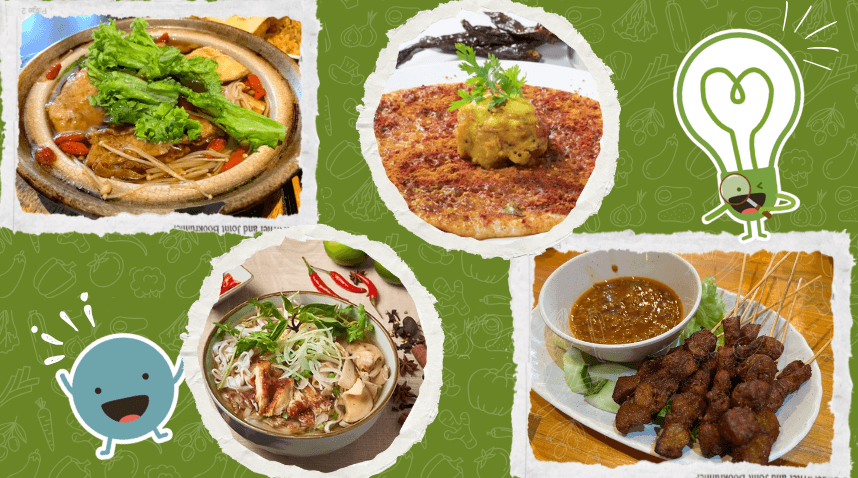
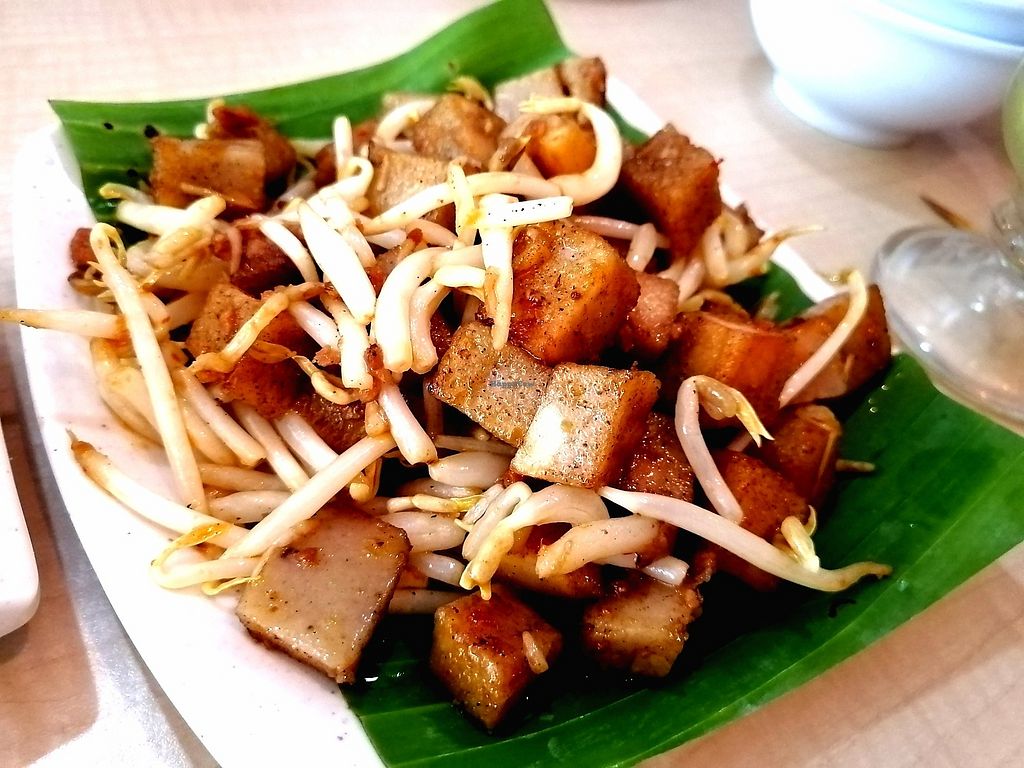
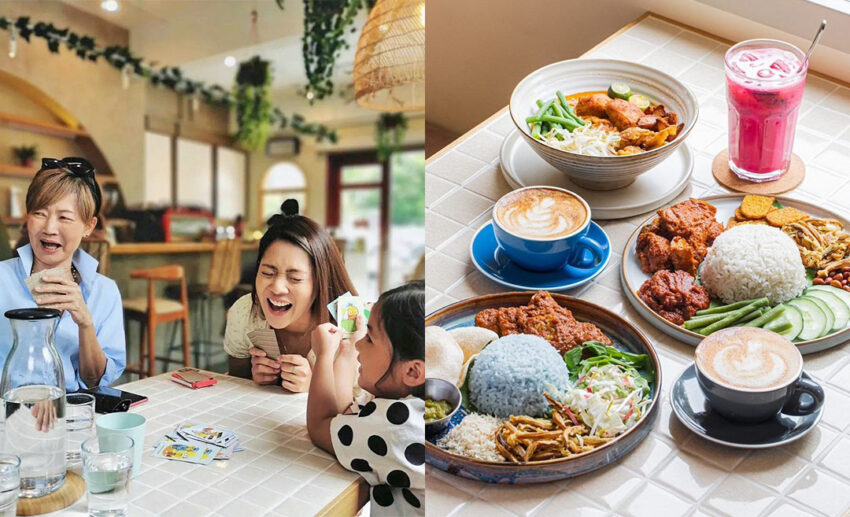
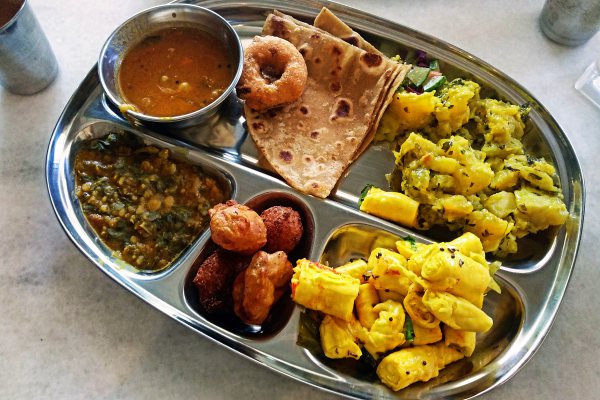
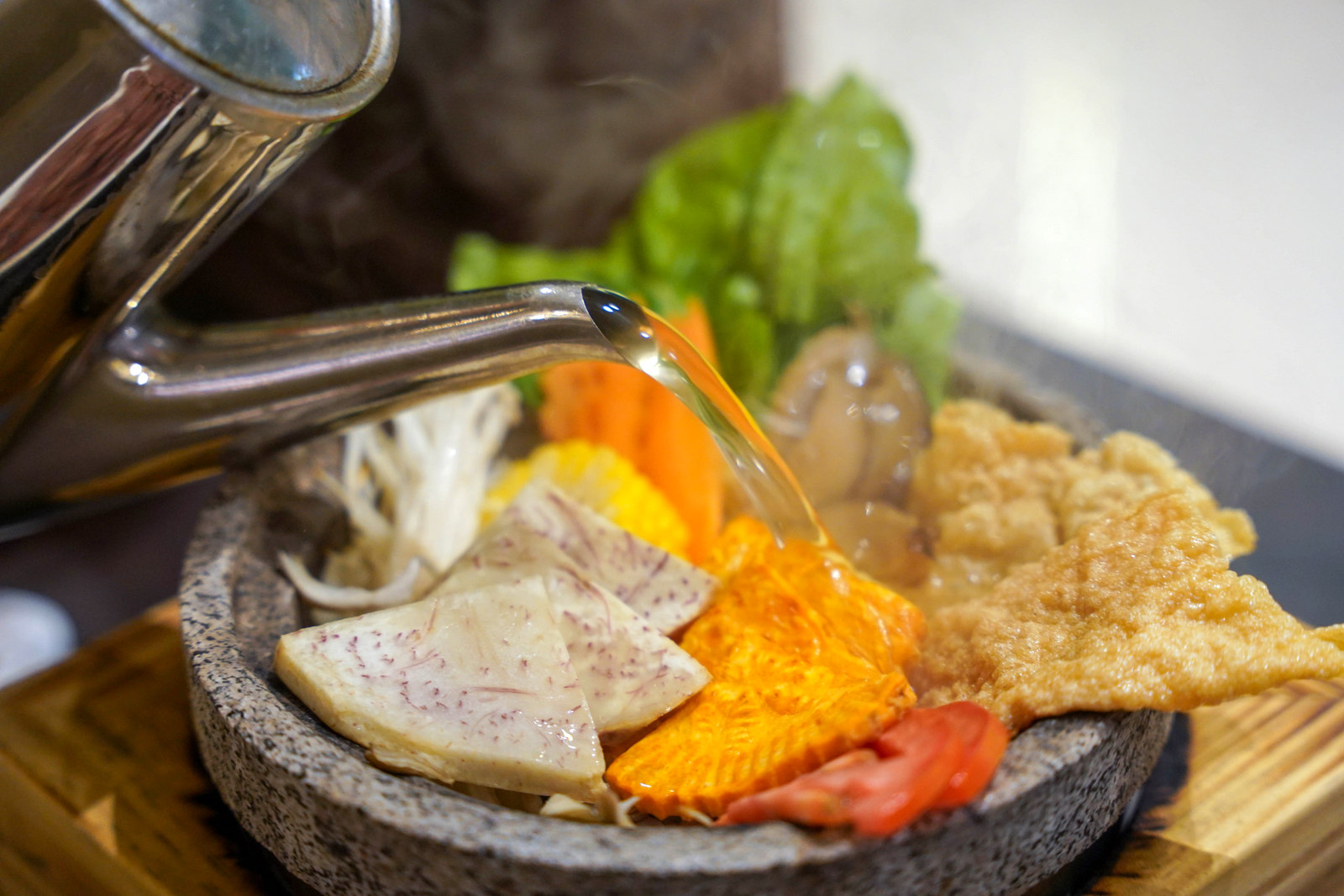
Think that vegetarian food only has Zai Mee Fen? Fam, we gotchu! We are sharing a list of top vegan/vegetarian-friendly places to check out and support this effort to go meat-free in Singapore. Have CDC vouchers to spend? We wrote a guide here.
Long gone are the days when going ‘vegetarian/vegan’ meant eating miserably yellowish salad leaves for lunch. There are plenty of vegetarian and vegan restaurants in Singapore, whether you are seeking something meat-free for health, animal compassion/welfare, religious reasons, or the environment. We have left out the kopitiams and hawkers as these change quite a bit!
Here is the list of 13 plant-based places to eat across Singapore.
1. Pang Pang Kopi: Your Nanyang Breakfast Go-To
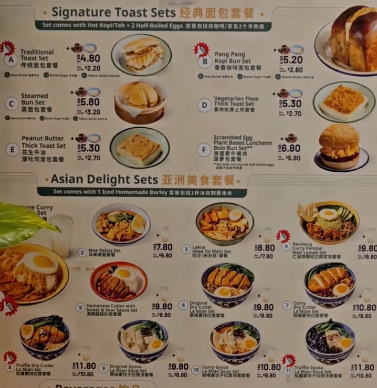
Crazy nice Asian Delight Image: Google
Taking the place of Grove @ Singpost from mid-Dec ’24. Pang Pang transports you to the kopitiam vibes with local delights for a good brunch/lunch catchup. The Bolo Pun is an awesome breakfast choice!
Nyonya food typically has shrimp hidden in certain dishes making it tough for vegans/veges to find suitable dishes. Coco’s food provides an opportunity to enjoy the Peranakan side of life. Do try their Sambal Sauce with Petai Fried Rice, and Vegetarian Curry Monkey Head Mushrooms with Turmeric Rice.
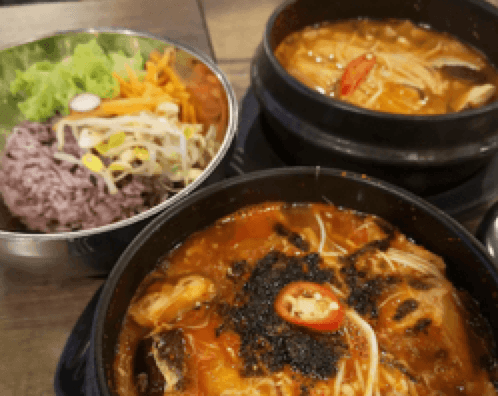
Korean food is well known for its seafood and beef, Daehwa shows that you can get tasty food without the meat! Indulge in their Kimchi soup, bulgogi mushroom stew, Army stew, and vegetable pancakes! Enjoy your meat-free K-Drama-esque getaway there!
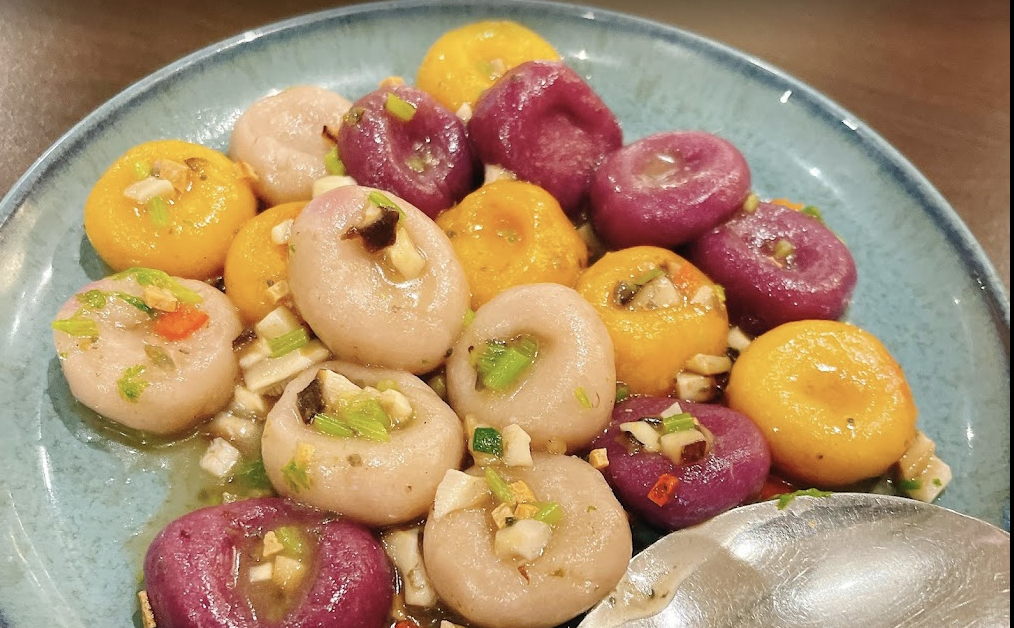
Leaf Corner is tucked away at Tai Seng/ Sembawang/ Jurong West with awesome Chinese food. Do try their Monkey Head Mushroom, Yam Ring, KL Hokkien Mee (I always go for that despite looking at the menu for 10 minutes to try new things).
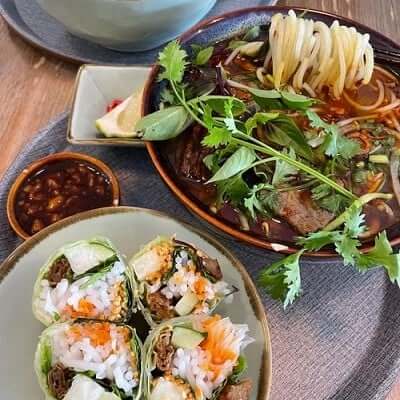
A mix of burgers, pastas, rendang rice, vegan pho. This place has everything for everyone. It overlooks the Singapore river which can give you some romantic vibes!
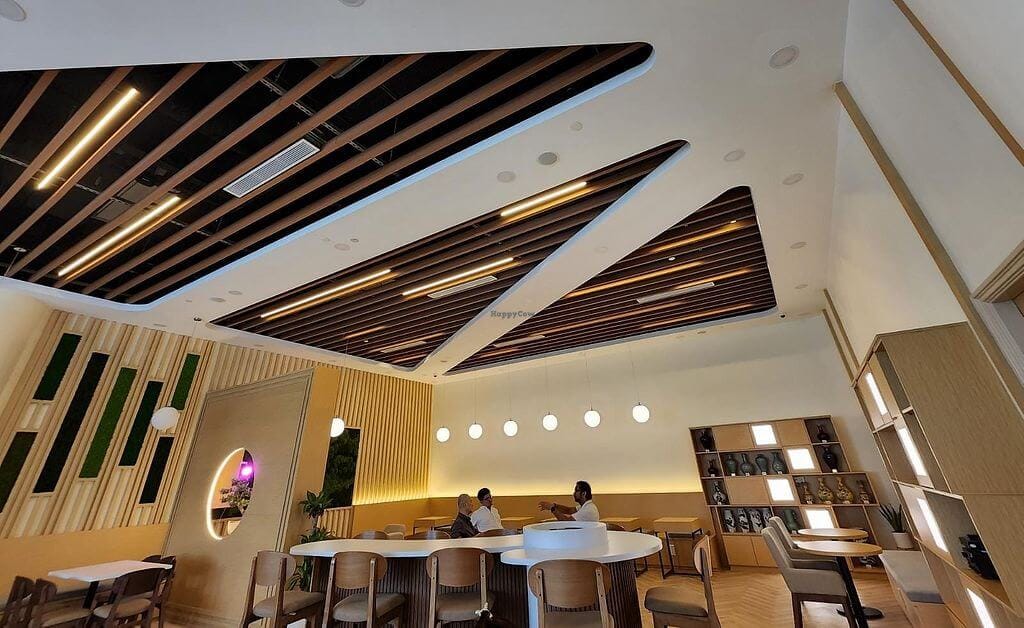
You can’t get any more closer to Zen, by dining at a temple. Located at level 1 of Kong Meng San Phor Kark See Monastery. This cafe serves coffee, tea, smoothie, cakes, and moments of peace. The temple has many spaces to chill and meditate at for greater peace.
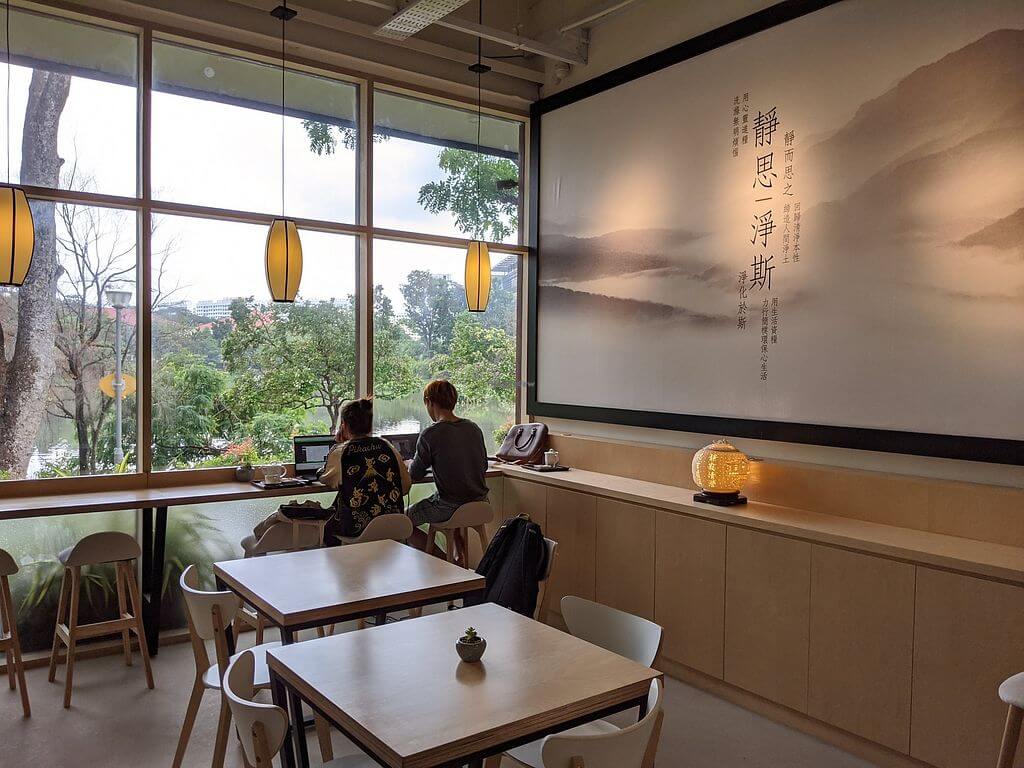
Tzu Chi always strikes me as a Dhamma Centric Humanitarian Organisation that is always intentional about their activities. Check out their book cafes at Sims Avenue or Yishun! It is really a tea place to chill and contemplate about life. Don’t expect a huge variety of bites there!
Vietnamese Pho is typically cooked in meat broth so this is a great treat to go meat-free! Check out their Kind Pho or Eat the Rainbow dishes to enjoy some warm soupy food on cold rainy days!
myVillage @ Serangoon Gardens 1 Maju Avenue #B1-03
9. D’life: Tze Char Vegetarian
Image From: Food Advisor Singapore
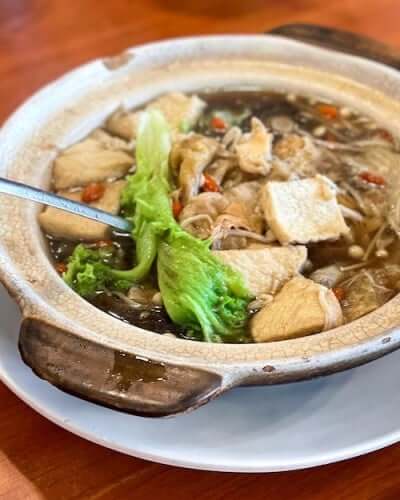
From Orchard to Beauty World, D’life has grown to 4 outlets in Singapore. They offer a huge variety of food from Asian to Western (though I’d recommend their Asian food more!). Do try their KL Noodle, Bak Ku Teh, and Creamy Abalone Mushroom.
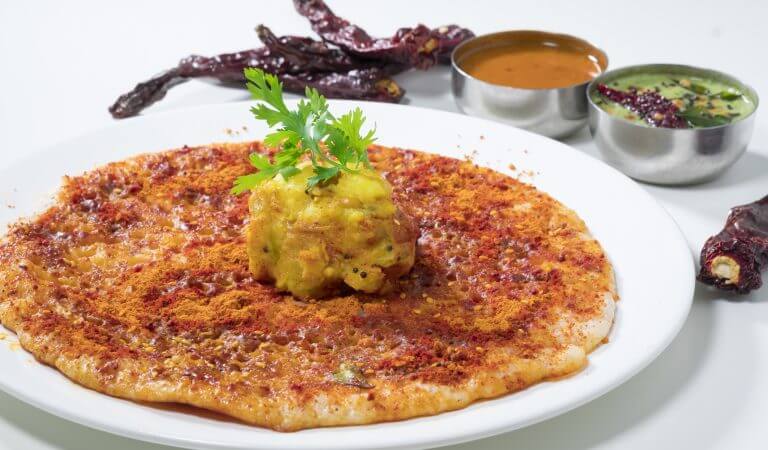
MTR offers awesome South Indian food with very nice spices (you can of course choose non spicy too!). Try their Rava Idly or Masala Dosa. Queues can get long during lunch hours so do be prepared to develop patience there. It is worth the wait!
We found that Ling Zhi vegetarian may be quite expensive on the wallet and found this to be a good cheaper alternative! For mala lovers, do give their mala ‘fish’ a try. It is numbing but tasty.
Located RIGHT next to Maxwell Mrt & at the basement of Buddha Tooth Relic Temple, this hidden gem provides awesome breakfast and lunch at an affordable price. It is ‘cai fan’ (pick your veges) style and there is plenty of seating after lunch hours. There is a nice Guan Yin statue there to pay respect too before and after your meal.
With a couple of uncle and aunties chilling there after lunch, the place is serene and great for work-from-cafe vibes. However, they close earlier than cafes! Do check!
Lian Xin | 288 South Bridge Rd, B1 Buddha Tooth Relic Temple and Museum, Singapore 058840
13. Warung Ijo: Indonesian
Image from: HappyCow
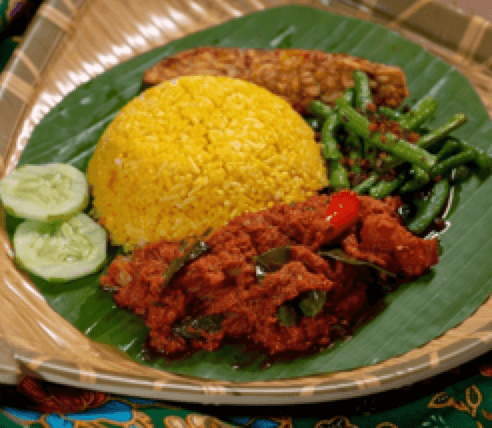
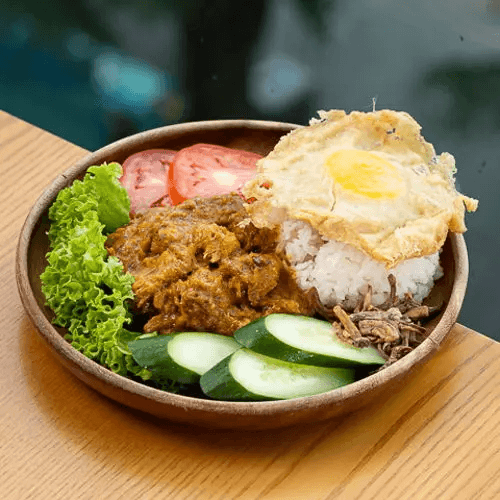
I personally never thought I could eat Indonesian food ever since I became a vegetarian. Warung Ijo is a Godsent (Buddhasent?). Their highlights include Kalasan Chicken Rice, Nasi Lemak Rendang, and Tempe Goreng. The vegetarian food here is also alliums-free and vegan-friendly.
Are you a vegetarian or vegan visiting Petaling Jaya or Kuala Lumpur? You’re in luck! These cities are home to a thriving vegetarian and vegan food scene, offering a diverse array of delicious plant-based options. If you’re searching for mouthwatering meat-free meals serving local Malaysian dishes, here are 5+1 must-visit vegetarian/vegan restaurants to add to your itinerary.
1. Savor of Life: Vegan Options – Kuala Lumpur
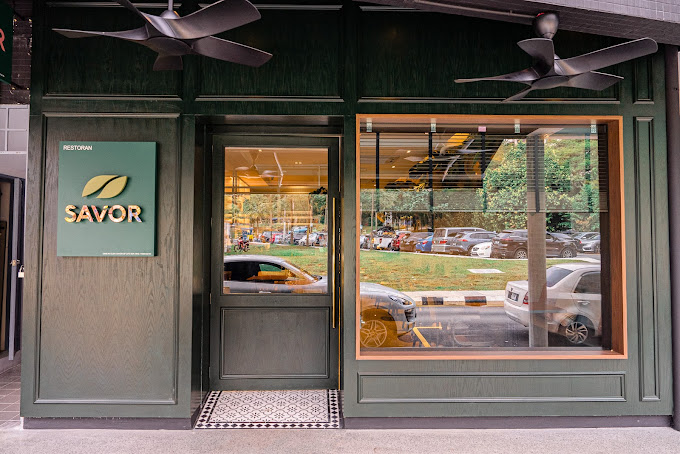
Credits: Savor Restaurant
Address: 38G, Jalan 28/70a, Desa Sri Hartamas, 50480 Kuala Lumpur, Wilayah Persekutuan Kuala Lumpur
Savor is a newly opened vegan restaurant in 2023 at Desa Sri Hartamas. Savor offers a fusion of local Malaysian, Italian, Thai and American cuisine. I was a frequent customer of Savor when they were doing food deliveries before launching their restaurant and I wanted to spotlight their vegan local Malaysian dishes.
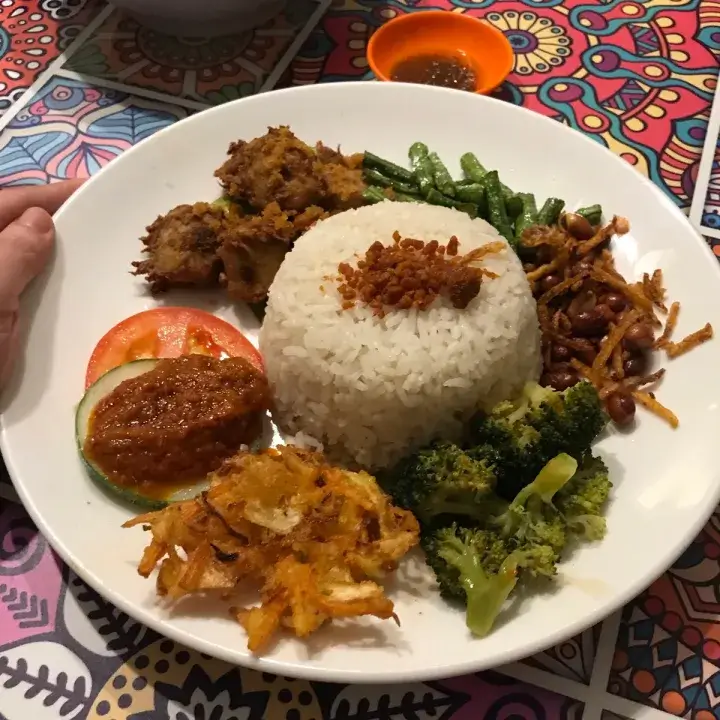
They managed to create local dishes that I never thought were possible to be delicious when made vegan. My personal favourites are the Nasi Kerabu with “chicken” percik, Tofu masak 3 rasa and salted egg yuba.
Address: 12, Jalan B/1E, Pjs 8, 46050 Petaling Jaya, Selangor
Nature’s recipe cafe has been around in PJ for many years, they are well known by locals and residents for their hearty vegetarian Malaysian dishes such as their vegetarian sambal petai. Their dishes are affordable and perfect for those craving for home-cooked dishes like nasi kunyit, laksa, vegetarian bak kut teh, vegetarian dim sum and more.
Address: Lot 609 E- Street, Lower Ground Floor, 1Utama Shopping Mall, Lebuh Bandar Utama, Bandar Utama, 47800 Petaling Jaya, Selangor
Chin Swee Vegeciting is an award winning vegetarian restaurant that is located in one of the popular shopping malls in Petaling Jaya, 1 Utama. They are the first vegetarian restaurant in Malaysia to be awarded the World Top Gourmet Award in 2019. They pride themselves on their ‘atas’ Chinese/Japanese fusion ‘zi char’ plant based dishes. They have branches in Genting Highlands and Publika (Kuala Lumpur).
Address: 4, Jalan 28/70a, Desa Sri Hartamas, 50480 Kuala Lumpur, Wilayah Persekutuan
If you’re looking for local vegan Malaysian dishes like vegetarian satay, nasi lemak, asam laksa, nasi goreng kampung and more, you should not miss out on The Vegan Place. If your company is not craving for local Malaysian cuisine but you are, they also serve pasta, burgers and Thai dishes.
Address: 19, Lorong Kurau, Bangsar, 59100, Kuala Lumpur, Wilayah Persekutuan Kuala Lumpur
Although most banana leaf rice stores have vegetarian options, they are usually limited. If you’re looking for one that is completely vegetarian with a wider variety of vegetarian side dishes, you must not miss The Ganga Cafe.
This is a popular spot among vegetarians craving for healthier options of banana leaf rice, biryani and chapati. This restaurant is also located near a Nyonya restaurant called Baba Low’s, although they are not a vegetarian Nyonya restaurant, their cendol is plant-based and worth trying.
Average dish prices range from RM9 to RM28.
6. Young Sanna Mee: Not a vegetarian restaurant but has vegetarian options
Address: Various branches around Selangor and Kuala Lumpur, you can just google ‘Young Sanna Mee’ and find the one closest to you when you wish to visit.
This place is not a vegetarian or vegan restaurant, however they have a few scrumptious vegetarian dishes that I frequently return for. Whenever I come back to KL, I’ll always make a trip to Young Sanna Mee with my family for their Vege sanna mee with either their pumpkin or spinach noodles.
Their vege soup has a light yet flavourful soup that does not make you feel thirsty after drinking and the best part is the soup is refillable. The dish is hearty, warm and healthy. I haven’t come across this dish yet in Singapore hence it made its way to this list as a vegetarian-friendly ‘local dish’ to try in Malaysia.
Average dish prices range from RM18 to RM30
Whether you’re a vegetarian or vegan traveler, Petaling Jaya and Kuala Lumpur have plenty of superb options for you. These five must-visit restaurants offer a variety of vegan and vegetarian dishes, ensuring you’ll find something delicious to satisfy your cravings while exploring these vibrant cities in Malaysia.
We’re experimenting with a visual format for podcast. As we’re still bootstrapping, we’ve not upgraded to a studio yet. Let us know what you think about this new format. Join the conversation via Telegram.
About Our Guest
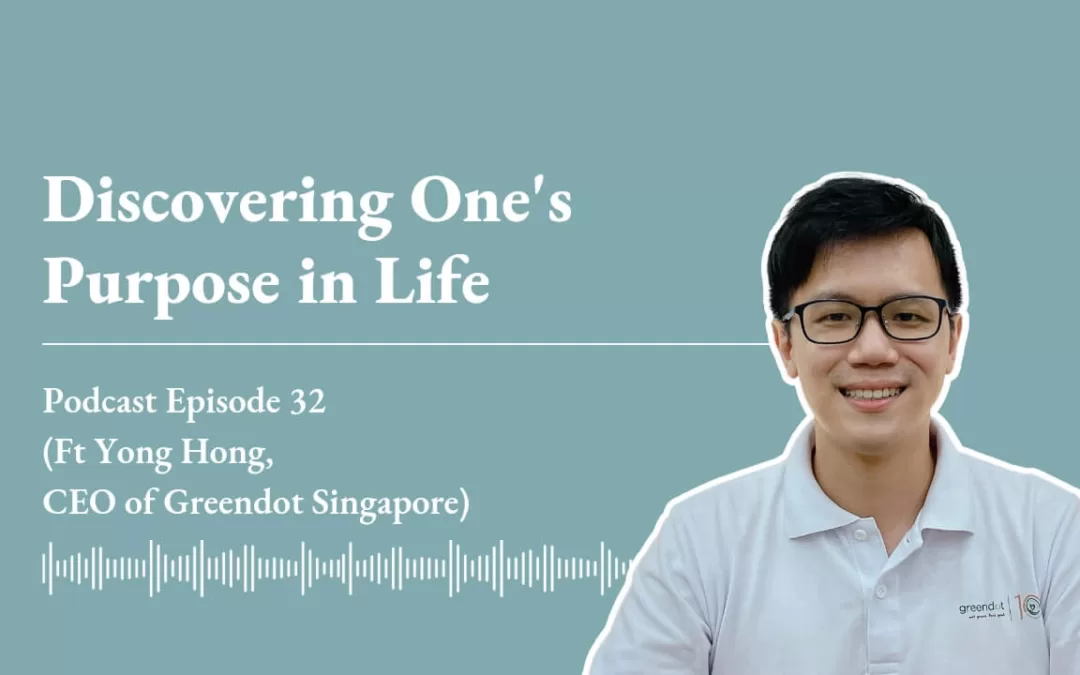
Yong Hong is an ordinary young entrepreneur, he started Greendot at the age of 22 with his good friend Justin. Green Dot was started with the thought to help professional women to stay healthy and love themselves. With this as motivation, it has grown from a small vegetarian stall to a vegan food restaurant chain in Singapore.
As a young CEO at age 33, Yong Hong currently manages a team of 200 staff. He is responsible for Green Dot 15 stores, including 12 Green Dot outlets Lotus Heart Vegetarian Chinese Restaurant, Greendot Patisserie, and a central kitchen. To him, work is a journey to cultivate himself and an opportunity to find insights within. Yong Hong has a great passion for yoga and music. He hopes to learn n grow with the people he meets.
Transcript
[00:00:00] Cheryl:
Welcome to the Handful of Leaves podcasts. Hi, Yong Hong.
[00:00:03] Yong Hong:
Hello!
[00:00:03] Cheryl:
Welcome. So today we have an interview with the CEO of Singapore’s largest meat-free chain, Green Dot, and I’m very happy to speak to him today because I would love to know about his reflections on his entrepreneurship journey, his reflections on his growth in Buddhism. And recently Yong Hong became a father of a beautiful four-month-old baby girl. So we will also be speaking to learn about his insights and what parenthood has taught him. So, Yong Hong, to get things started, for those who do not know you or who have not heard of Green Dot before, can you share more about your entrepreneurial journey with Green Dot?
[00:00:45] Yong Hong:
Sure. Thank you so much, Cheryl, for this opportunity to be here and to share my experiences with the audience. So I started Green Dot about 12 years ago when I was at NUS, National University of Singapore, during Year Two of my studies. I was studying Business back then. It was one of the toughest periods of my life. I remember I have to pack my modules into two days and for the rest of the days, I have to work at the outlet.
So, how Green Dot started was because I didn’t think so much. If I think so much about how tough entrepreneurship is, then probably I wouldn’t have started Green Dot, especially in food and beverage. So, I started Green Dot because my business partner Justin, he’s a vegetarian since he was a baby. Back then I was in Chung Cheng High School. I knew him since Secondary One. And back then it was not easy being a vegetarian in school because you have no vegetarian store.
So he has to bring his own food, or he has to ask the aunties, and uncles in the canteen store to cook special meals for him. He felt that being a vegetarian is a lifestyle choice or a personal choice. Why do we have to have so much inconvenience? He thought that having a vegetarian store and having quality food in school maybe will help to make the younger generations who are vegetarians like us feel proud of being a vegetarian because there’s an option. So that was how it started. We didn’t think so much and then we started our first store at Temasek Poly.
[00:02:20] Cheryl:
What about Justin that makes you want to go into a partnership with him?
[00:02:24] Yong Hong:
They call it fate. We got along well. I think it’s a very interesting thing. I’m the CEO of Green Dot, one of the largest chains of vegetarian restaurants in Singapore, but I wasn’t born a vegetarian. So when I was younger, I’m a meat lover. No meat, no happiness. When I eat a McDonald’s burger, I must remove the…
[00:02:43] Cheryl:
Take away the vegetables.
[00:02:46] Yong Hong:
So I don’t like vegetables at all. Even till I founded Green Dot.
[00:02:50] Cheryl:
Yeah. It’s like me. I hate vegetables last time and I’m actually a vegetarian now.
[00:02:54] Yong Hong:
That’s why I think sometimes it’s just fate that you walk this path. Like Steve Jobs always say, you only can connect the dots when you look back. I just have a voice within asking me to try.
[00:03:06] Cheryl:
That’s very courageous, and also I would say a bit impulsive, not thinking too much, and just jumping into trying this thing out, which then eventually turned into something bigger than you ever imagined 12 years later.
[00:03:19] Yong Hong:
Of course, I always wanted Green Dot to do well. Because to me, Green Dot is not just a vegetarian chain because you look at your grandparents, your uncle, and your aunties around you, and as they age you’ll see that the diet actually changes. Less meat and more balanced meals, more vegetables. So I feel that this change of diet will come but you want it to come later in your life or earlier in your life. I have friends around me who are in their late thirties but they have gout because of seafood, beer, and alcohol. Their diet is impacting their lives.
Because of Green Dot, I was exposed to a plant-based diet. I realized that, hey, actually, brown rice can be very nice, vege can be very nice. This journey of Green Dot also changed my diet and impacted me to change earlier in my life. I hope that Green Dot can not only be a place where we serve quality plant-based meals but also be a channel where we can help more people start their more balanced meal diet earlier in their life. It’s not to fully convert you first, but at least 21 meals a week. Maybe you can try 3 meals a week. Change can start earlier.
[00:04:29] Cheryl:
It’s so beautiful how an entrepreneurship that was just part of your hustle became something that actually changed your perception about diet, lifestyle, about keeping healthy. I’m curious if there were any other changes that you experienced when working and growing with Green Dot, for example, in spirituality.
[00:04:51] Yong Hong:
Yeah. Actually, it’s been 12 years. There are a lot of things that I’ve been through, all the highs and lows. Looking back, I feel that this journey has really changed me. I’ve been through three stages of Green Dot. It wasn’t all happy and smooth sailing. It was really very tough. During my first few years of Green Dot, every day I wake up, I go and cook at the store, I feel like giving up. Every night I tell myself, I think this is the last day. I tell Justin, I think you’ll continue. So the first three to four years of my initial startup phase, I treated Green Dot as work. I find no meaning in it because I have no F&B experience before this. I don’t like F&B. I never stepped in the kitchen before. So even before I start going, I don’t know how to cut broccoli or cook rice. I remember on the first day the uncle say, Yong Hong, go and cook some rice. I said, how to cook the rice, how to measure the water, put in the water? So overall, the first three to four years, it was work for me.
[00:05:49] Cheryl:
Even the way you describe it sounds like a chore already.
[00:05:52] Yong Hong:
I hated to go, but because I chose this path, so ego kept me going. But for the second phase, after I started Green, it grew to a few outlets. Then NUS also gave me a fund because they also acknowledged me as a young entrepreneur. Finally, some acknowledgement. From then on, it became a career for me because I was being packaged as a young entrepreneur from NUS. I was driven by results. I wanted to grow Green Dot and do well, and to show that I’m a successful young entrepreneur.
So I was driven by that. That’s where I also faced a lot of problems. Although my business grew to many outlets, but it wasn’t making money. There were a lot of people problems because I’m raw in management. Then I wasn’t happy. I broke up with my other half. My health was in bad shape because I was working every day. I wasn’t happy. My life’s all about work and I wasn’t earning a lot of money because it’s in a growth period. So the only thing driving me is because I’m a young entrepreneur. I was in my career stage where I just work every day. So I achieved some success on the surface, but I wasn’t happy.
It was about five years ago that I had to find answers to change this. One morning, I was YouTubing, and I saw Venerable Jing Kong’s (淨空法師). At that moment, I felt that there was actually another way of looking at life. That was when I start to have more balance in my life. I got a personal trainer. I start to go for music. Then I realized that although I don’t work as long, I have a bit of balance, but my business got better. At that moment I start to really go deeper into understanding what is vegetarianism about. And that’s where it became a mission for me. And that’s where Green Dot started to get better and better. Three phases, from work to a career to seeing as a mission.
People say there’s an aha moment, but sometimes it’s an accumulation of a few things. Change isn’t one moment. People sometimes oversimplify change. Change is like 1%, 1% every day. Not everybody can, *snap* then this moment. So I think it’s being oversimplified. I always tell people learning is not always about learning new things. Actually, the biggest and most important learning is learning about the toxic in yourself. Life is about removing all the toxic in you. Like for example, when we are babies, we are very pure. As we grow up, we start to have disappointment, frustration, anger, and jealousy. So all these are within us. So as we grow up, and we start to understand this, our journey starts to take out all this toxic one by one. Jealousy maybe, it’s at level 10. But today you can take out one level, so left nine. So you keep taking them out. So I feel that change is not that moment, but it’s just that, oh, we realize and you do it day by day. It’s not that today you read and you will change. It just starts you on the journey. Every day you remove something.
[00:08:38] Cheryl:
Incrementally build up that sense of self-awareness. And with that self-awareness, then you put in the patience, the effort to remove it, as you say, take out the toxins and then become purer and purer in heart and body.
Because you mentioned jealousy as well, I think jealousy is something that is so deeply rooted in all of us. It’s almost deeply rooted in our conditionings. From a young age, when we are in school, jealousy is almost a thing that drives us to excel, ’cause you see that someone else is doing better, someone is scoring more, President of CCA, then you push yourself to do. But what that accumulates is all of us become young adults that are so insecure. They are so fearful and lack the courage to try something new. So it is very, very toxic in a way.
So back to the three phases that you shared in the mission phase, it sounds that everything in your life started to become better. You were finding balance, you’re becoming happier. And ironically, because you found that happiness, that drive, that energy, your Green Dot started to see more success as well, right?
[00:09:44] Yong Hong:
Yeah, it’s all about the mindset. Looking back, I know why I wasn’t so happy when I was starting a business. Because of one mindset, I always tell myself 创业要很辛苦. It means entrepreneurship must be tough. That’s why my mind is really tuned to make my life very tough already. I realize that if I don’t feel that my life is a mess or very miserable, I don’t feel that I’m going through entrepreneurship. That’s when I realized that all the actions I do I subconsciously make my life miserable.
[00:10:15] Cheryl:
Because you need to be hustling and you need to feel awful.
[00:10:18] Yong Hong:
The second mindset, they always say 赚钱很难, earn money very tough. That’s why I always use very tough ways to earn money. I mean, of course, money is not everything, but money is important. But I realize that money is a byproduct of excellence in the things you do. If you are not earning money, it means you are not so good at the things that are doing yet, money is not attracted to you yet. That’s when I realized that a lot of mindsets make me very, very miserable in the earlier stage of my life.
And I think that Buddhism always talk about in life there’s a lot of suffering but there are actually causes. Buddhism helped me understand what are the causes of my suffering. I start to go deeper into phasing all the internal reasons that lead to my unhappiness. Then that sparked a change in me.
[00:11:06] Cheryl:
Yes. And in the Four Noble Truths, the reason why we are facing so much suffering, so much disappointment is always because we are clinging to something that we wanna be, refusing to accept the way things are. And I think the most beautiful thing about Buddhism is not that it tells you that there is suffering, but it actually tells you there is a way out of suffering and that gives us so much hope to put in the effort to free ourselves from this misery. Can you share maybe one of the biggest challenges that you faced in the mission phase of your career and your life, and if relevant, how did Buddhism specifically help you overcome it?
[00:11:45] Yong Hong:
The biggest challenge was deciding to become a vegetarian honestly, ’cause my whole family is not vegetarian. It’s not difficult for me to be a vegetarian because of my work. My chef always R&D new dishes for me to try. But one of the challenges is my parents. Well, I remember one weekend I told my mom, I want to become a full vegetarian because it’s something that I really believe in.
So my mom says no as usual. She says, ah, why? You don’t eat well, not enough nutrients. I said, but let me try to decide what I want, respect my decision. And then she said, okay. Then the next weekend, because it used to be a habit, every Sunday, they will buy Nasi Lemak or Roti Prata for me. Sunday I woke up. I open up the breakfast. Then it was Nasi Lemak.
[00:12:27] Cheryl:
Oh no, cannot eat.
[00:12:29] Yong Hong:
Yeah. How? Should I eat or should I not eat? To me, it was not a point where I become vegetarian. I tell myself my family, my mother’s belief and respect are still very important. I asked myself as a wise person or wise monk in my situation, what will you do? The key is not to be angry at my mom or parents for not understanding. But the key is becoming a better person after becoming a vegetarian in that I must prove to my mom that, after I become a vegetarian, I’m still her good child that she loves and I want to become a better person. Of course, she starts to accept my decision. But at the initial stage, she was very embarrassed to share with my relative that I’m a vegetarian. Two to three years later, they started to prepare vegetarian options for me. I realized that, ah, finally…
[00:13:15] Cheryl: Getting more acceptance.
[00:13:16] Yong Hong:
So this journey is like that. Buddhism has helped me in practical aspects in facing challenges like that and not be angry or be embarrassed or doubt my own decisions. It’s all about changing your mindset and it’s all about changing yourself. The change can always start with yourself.
[00:13:30] Cheryl:
I think it’s very, very wise of you. Because what you’re doing is that you’re not attaching solely to your view that I am vegetarian now, I must only eat veggies. Everyone must approve. But rather it is being respectful and considerate about other people, yes, and making sure that it’s convenient to them, it doesn’t make them feel slighted that you don’t eat their food. So it’s very wise of you.
[00:13:52] Yong Hong:
It was not easy, but change it’s not immediate. Some things can be immediate. Sometimes know that things take time and patience. Talking about patience, looking back on my entrepreneurship journey. I was from NUS Business School. In school, I have many driven classmates, very intelligent classmates very resourceful classmates. After 10 years, why am I here and getting some results? I realized the key difference is patience.
We wanna believe that if we put in the effort today, we wanna get results tomorrow. But you realize that all these things take time. And I think the biggest, biggest quality that young people need to have is patience. Patience to put in the hard work and live in the moment. When you are working, you enjoy your work. When you are at home watching TV, you enjoy the TV. When you’re in the podcast, you enjoy the podcast. You know that the result will come, but it’s not immediate.
[00:14:48] Cheryl:
But I guess a lot of people do not have patience or lose patience because they do not have faith that the result will come. Any advice that you may have for that?
[00:14:57] Yong Hong: In this world, we need to be more optimistic. As a CEO people always ask, what is your five-year plan, three-year plan, or 10-year plan? Honestly, it’s very hard to plan for a very long term in the context where the word changes very fast. Aim to become a better person every day and become better in what you do. I think that’s the key and the most important thing is being present. I also don’t have a way to tell you to believe that the goal will happen. I think enjoying the moment is more important.
[00:15:29] Cheryl:
Enjoy the process, that’s the outcome. Not the final destination that is the outcome. Because I think when you adopt that kind of approach as well to life, then you allow yourself to open up to the possibility that life could give you, maybe it’s not what exactly you plan for, but it could be something even more beautiful.
[00:15:47] Yong Hong:
Yeah. Because the goal is what we believe is beautiful. But maybe when you reach there, you realize that not necessarily as beautiful as you think it is. But it’s the moment that we open our minds up to awareness, up to what’s happening around us and grab the opportunities, maybe that will be the best journey for us. The goal is what we think is the best for us, but it might not be. When you move forward and open up, then you realize the opportunities change.
[00:16:13] Cheryl:
Wonderful. So stepping a little bit back from the business perspective, the CEO perspective, you have recently become a parent of a beautiful girl and congrats on that.
[00:16:24] Yong Hong:
Yeah. Thank you.
[00:16:25] Cheryl:
I also wanted to ask you on a more personal level, how did becoming a parent change your perspective on mission, meaning and priorities in life?
[00:16:37] Yong Hong:
It is a huge change for me and a very meaningful experience for me because becoming a father. When you look at your child, it makes you feel that whenever you have any problems in your life and work problems, you look at her and all your problems will fade away. It made me realize what’s important in life as well. After I have my baby, of course (some) aspects of my life slowed down. Last time, I used to go to yoga six times a week. Now, one time a week is really a bonus to me. My life is all about work and going home to accompany her. So I realized that it’s about finding a balance. Life cannot be in full throttle in all aspects. So you need to know that sometimes this thing is faster, sometimes this thing is lower and there’s nothing wrong.
Sometimes people get frustrated, ah, because of my child, I have to give up so much. But you have to understand that this is part and parcel of life and instead of thinking that you have to give up, why do you think that this is a happy time for you being with your children? I’m thankful that she’s a happy baby and a healthy baby.
[00:17:42] Cheryl:
That’s wonderful. And even just seeing you speaking about her, I can already see the joy in your eyes, that smile that you have when you’re speaking. It’s so wonderful. And I wonder what’s your aspirations for her when she grows up?
[00:17:55] Yong Hong:
To become a person of good character. Confucius’ teaching has four modules. The first module they learn is always the values. What is the right value? What are the right principles? Second, they learn the way you speak, the way you act. Third, they learn about their culture and history. And last, they learn more about their profession. During my time, we are more focused on studying science to become a doctor or earning a relevant degree to take on a certain profession. In Singapore, what I feel can be even better is values teaching. The most important thing we can do for our children is to let them learn the right values. What I can do is focus on myself, and become a person of good values, so that she will also be inspired to become a good person in the future.
[00:18:39] Cheryl:
In a way, walking the talk, being the role modelfor her. She learns from seeing, from admiring how you behave, how you treat others, your wife and the employees that you have as well. So you were saying just now that all aspects of your life cannot be in full throttle all at the same time. You’ll only go crazy like that. So at this point, it seems like family is taking the forefront. Then how are you balancing or how are you managing the stakeholders at work? What are the aspects of that? Do you tell them like, okay guys, I’m clocking out at five?
[00:19:12] Yong Hong:
So I always believe in knowing your priorities. I believe there are four pillars of life.
The first pillar of life is 身心健康, inner and physical health.
The second thing is family happiness.
The third thing is 助人致富, earning money through helping people.
Lastly, 广结善缘, making meaningful interaction with people and helping others, giving back.
These four pillars, I think maybe a lot of people understand, but the key is that there’s a priority. You must build upon this in the right order. When you’re very young, some people say, oh, I need a lot of networking. Then you spend a lot of time networking. But all this networking is pointless if you don’t have the first three. See, let’s say you don’t have a career yet. You go and network, but when you network, you are asking people for help. You don’t have the experience and even the resources to help people. Or let’s say you have a very good career but you don’t have a family to fall back on, or you don’t have health to fall back on, that’s where you become empty.
Career will always be very, very tough. Why? Because you take a salary. You must exchange it with your hard work. So if you ever find a work that doesn’t need hard work and gives you a salary, call me. There will always be hard work, which means there will always be disappointment and frustration. It’s okay. Because when you have frustration, then you go home. If you have a wife or husband or mother, you tell your mother, Mommy, today my work was very tough, my boss scolded me. She’ll say, never mind, ok, good girl. That’s where you’ll have a good night’s sleep and you go out and try. Then let’s say you have a hobby, then you fall back on the hobby. You see, your work is very tough, you fall back, you go up again, fall back and go up again. This constant way of falling back and going back again makes you rise up in your career because the two foundations stop you from falling all the way down, keep you there and keep you going up.
[00:21:07] Cheryl:
It’s almost like a bouncing net of resilience. It keeps you bouncing and you bounce higher after that.
[00:21:13] Yong Hong:
That’s why I think that it’s very important to build the pillars of your life. That’s how I make my decisions in life. It’s about priorities. I exercise maybe two or three times a week but that’s the most important for me, I will allocate time to do that, but work and family still take up the majority of my time. It just means your priority, you make time for that. You tell your wife, hey I need to go for this one-hour training. Can you please step in for me? My wife will say, okay, please. We all agree. We know that health is very important.
[00:21:43] Cheryl:
And when you communicate these priorities as well, then it becomes the non-negotiable for you and you’re able to take care of yourself and take care of others. Because when you take care of yourself, you show up better as well to other people. Treat them nicer, and don’t get angry so fast.
[00:21:58] Yong Hong:
That’s how we balance that. And my wife also agrees and we encourage each other, we cover for each other. When we go for our hobbies, our exercise, and things that we need to do to serve the family and our work better.
[00:22:11] Cheryl:
For 身心健康, taking care of the physical and the internal mental hygiene I think Buddhism has a lot to contribute there. Some useful exercises that people can do would be a short meditation, daily practice, end-of-day journaling or even starting your day with gratitude and contentment. Just wake up and find two to three things that you’re thankful for to be alive at this moment. Yes. And that can definitely help keep a very, very healthy mood and well-being. Any other tips, Yong Hong?
[00:22:42] Yong Hong:
I think reading. Reading has been a huge part of my life. If you don’t like reading, you can do audiobooks. I spend a lot of time on the road, I spend a lot of resources on reading and learning. I think it’s very important. So many things are happening in the world, and we tend to be FOMO, fear of missing out. But Buddhism has taught me that actually the key is not to be so worried about things that keep happening, but rather learn a lot more about the right values, and the right principle. This will guide you to make decisions even without knowing what’s happening all around the world. We need to be updated on the news but don’t feel like we miss out a lot or you feel very nervous because we don’t know a lot of things happening. It’s more about understanding the values, principles that help you make better decisions.
And of course, I feel that learning is also learning about yourself and growing a lot more by learning about the bad things about yourself. Looking at cycles in your life, like for example, you used to argue with a friend in this company. You say, oh my friends are very bad, always bad mouth me. You change to another company, but things still happen and you say, this company is not good. The culture is not good, the boss is not good. Then you change. Then after you change again, you argue again, ah, the cleaner auntie is not good. That’s why I argue. So I realize that the problem is who?
[00:23:55] Cheryl:
You! You’re the only constant in those, those environments.
[00:24:00] Yong Hong:
Look at the bad cycles in our life and jump out of bad cycles, that’s how you always improve in different aspects of life, just reflect. It’s one of the very useful ways in improving your life.
[00:24:12] Cheryl:
Yeah, and that really reminds me of a quote, the problem never goes away until you learn from it. Then that’s how you solve it and resolve it, and then it will go away on its own. I think we’ve had a really long, wonderful conversation. Talking about your entrepreneurial journey, talking about your learnings and growth from the Buddhism aspect. I see that it’s really peppered in your life principles, in even some of the decisions that you make as well. Touching a little bit about how having a daughter really brings to the forefront what is important, while at the same time balancing the other pillars of your life.
So if you were to end on one piece of advice to young adults out there who are trying to find purpose, what is that one piece of advice that you’d share with them?
[00:24:57] Yong Hong:
Of course, the first thing is, what is your definition of success? There’s no right or wrong. I think this success changes according to age and what you’ve been through. So you define what is success to you at this moment in time and the next three to five years. Even if you say at this moment I wanna have a lot of money, okay, it can also be so, but just be happy doing it. When you face challenges in trying to go for a goal, just accept it because it’s what you define as success.
The second thing, after you define, it’s good to focus on who you are becoming rather than what you are accumulating. Cause what you are accumulating is attracted to you. It’s not that you chase after them. So focus on who you are becoming. If you become a person of good values, good quality, good leadership, or you have good skills, good things follow you, and good people will follow you.
[00:25:45] Cheryl:
Thanks for sharing and thanks for your time throughout this entire podcast. Thanks, everybody and I hope you continue to stay happy and wise. If you like this episode, please give us a five-star review on Spotify. Thank you. Bye…
Buddhist Youth Network, Lim Soon Kiat, Alvin Chan, Tan Key Seng, Soh Hwee Hoon, Geraldine Tay, Venerable You Guang, Wilson Ng, Diga, Joyce, Tan Jia Yee, Joanne, Suñña, Shuo Mei, Arif, Bernice, Wee Teck, Andrew Yam, Kan Rong Hui, Wei Li Quek, Shirley Shen, Ezra, Joanne Chan, Hsien Li Siaw, Gillian Ang
Editor and transcriber of this episode: Tee Ke Hui, Cheryl Cheah, Koh Kai Xin