
EYES HALF SHUT: Why are the Buddha’s Eyes Always Half-Open?
Why are the Buddha’s eyes half-closed? Learn how Buddhist art, meditation practice, and compassion meet in the Buddha’s calm gaze.
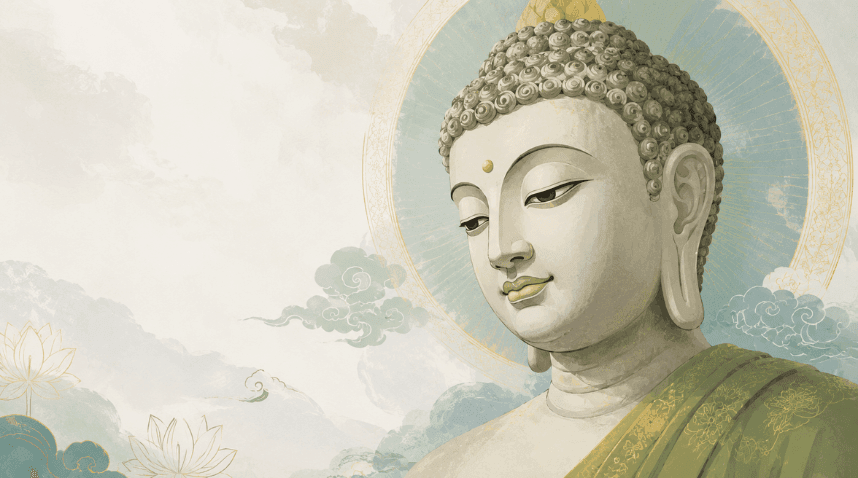
Why are the Buddha’s eyes half-closed? Learn how Buddhist art, meditation practice, and compassion meet in the Buddha’s calm gaze.
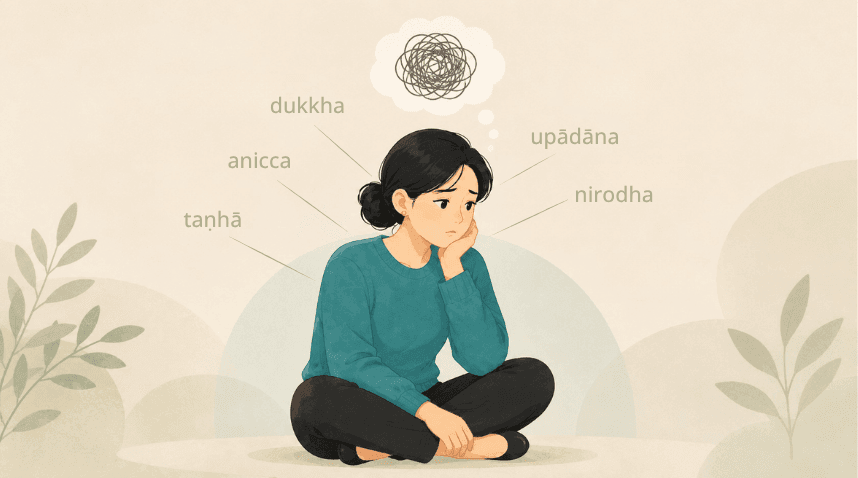
Pāli words like dukkha, anicca, taṇhā, upādāna, and nirodha offer a deeper way of understanding suffering beyond simply “feeling bad”. Rather than treating pain as personal failure, these teachings help us recognise craving, change, and clinging as ordinary parts of human experience.
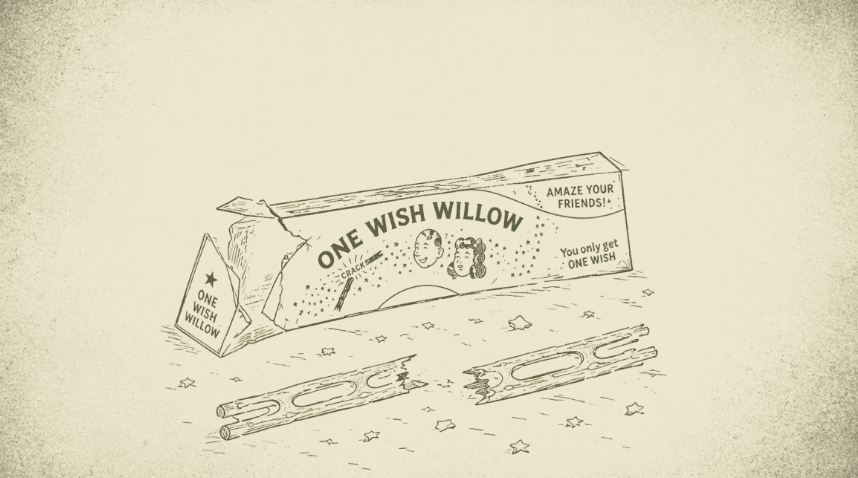
Obsession turns a familiar romantic fantasy into horror: what if the person you want finally chooses you completely? Through Bear’s wish, the film shows how craving can turn love into possession.

Ajahn Yiu's teachings reflect on why Right Speech is often harder to practise than silence, revealing how our words are deeply tied to thought, habits, and mindfulness. More than social etiquette, truthful and mindful speech becomes a foundation for inner clarity, self-honesty, and genuine Dhamma practice.

A heartfelt reflection on how to respond when a loved one leaves Buddhism, exploring grief, attachment, and the challenge of practising true letting go. Rooted in Buddhist teachings, the article invites readers to meet spiritual differences with patience, equanimity, and compassion.

An AI-assisted interpretation of the Heart Sutra unexpectedly reveals emptiness as a source of creativity, resilience, and renewal rather than nihilism. Through the simple image of a child playing with clay, the ancient teaching becomes personal, accessible, and deeply human.