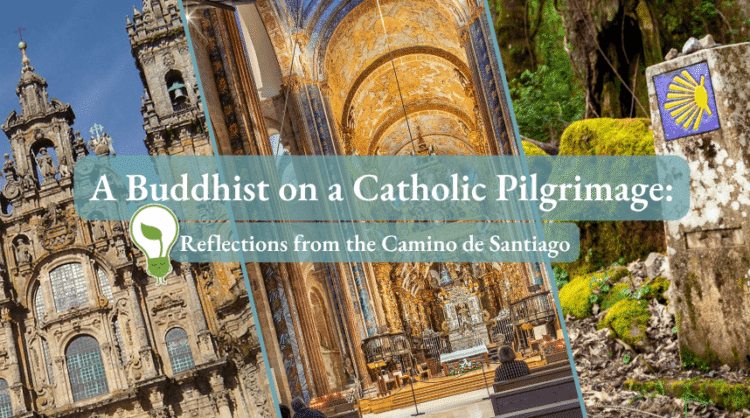
TLDR: A reflection on walking the Camino de Santiago, discovering mindfulness, impermanence, and letting go through lived experience rather than theory. Beyond religion, the journey reveals how presence, attitude, and simplicity can quietly transform the way we relate to life.
I had long wanted to walk the Camino de Santiago. I had read about it, watched The Way, and perhaps more than anything, I have always loved the idea that the world is so much bigger than the lives we build within it. There are so many places to see, so many ways to experience life, and the Camino had stayed on my bucket list for years.
Then came a quieter season of transition. As I began building my own business practice, I found myself with a rare pocket of downtime. It felt like the right moment to finally do something I had long wanted to do, and so I did.
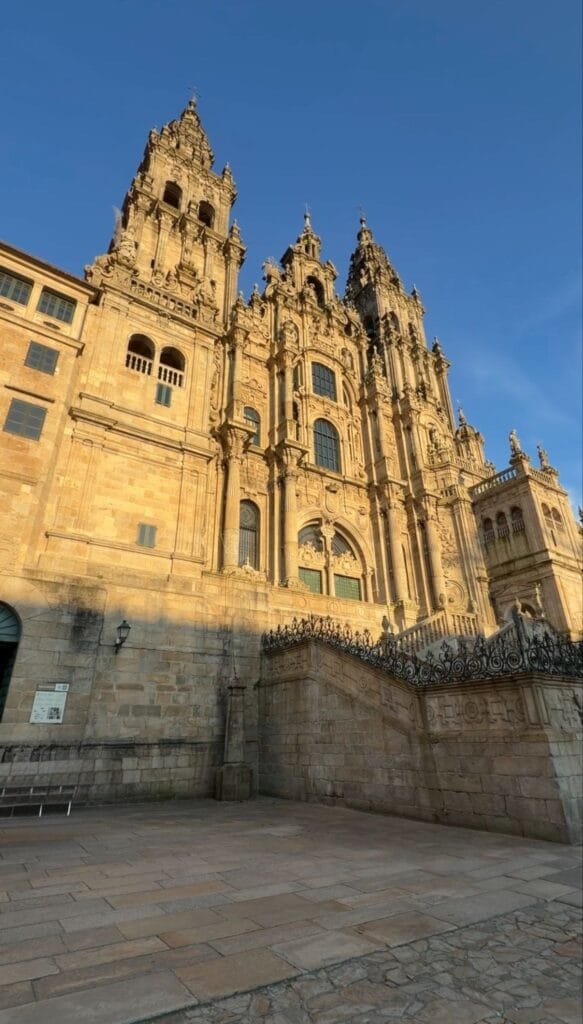
For those unfamiliar, the Camino de Santiago, or the Way of St. James, is a historic pilgrimage route, or rather, a network of pilgrimage routes, leading to Santiago de Compostela in northwestern Spain, where, according to Catholic tradition, the remains of the apostle St. James are buried. For many Catholics, it remains a deeply meaningful act of devotion, prayer, penance, or spiritual seeking. At the same time, many people also walk it today for personal, existential, or reflective reasons.
So, as a Theravada Buddhist, what did I take away from walking the Camino?
Firstly, I want to acknowledge the importance of the Camino de Santiago as a Catholic pilgrimage and the respect I have for that significance.
One of the most meaningful parts of the journey for me was a chance encounter with a fellow pilgrim: a Spanish-American lady in her sixties, walking out of faith. We spent a full day together. We talked about life, and we talked about faith.
It was on that day that our paths crossed with the Cruz de Ferro, or Iron Cross, one of the most symbolic places on the Camino, where many pilgrims leave behind a stone as a gesture of release, prayer, remembrance, or surrender. She recited the Pilgrim’s Prayer to me and shared what it meant to her. It was her second Camino, and she told me she had been looking out for the Cruz de Ferro along the route.
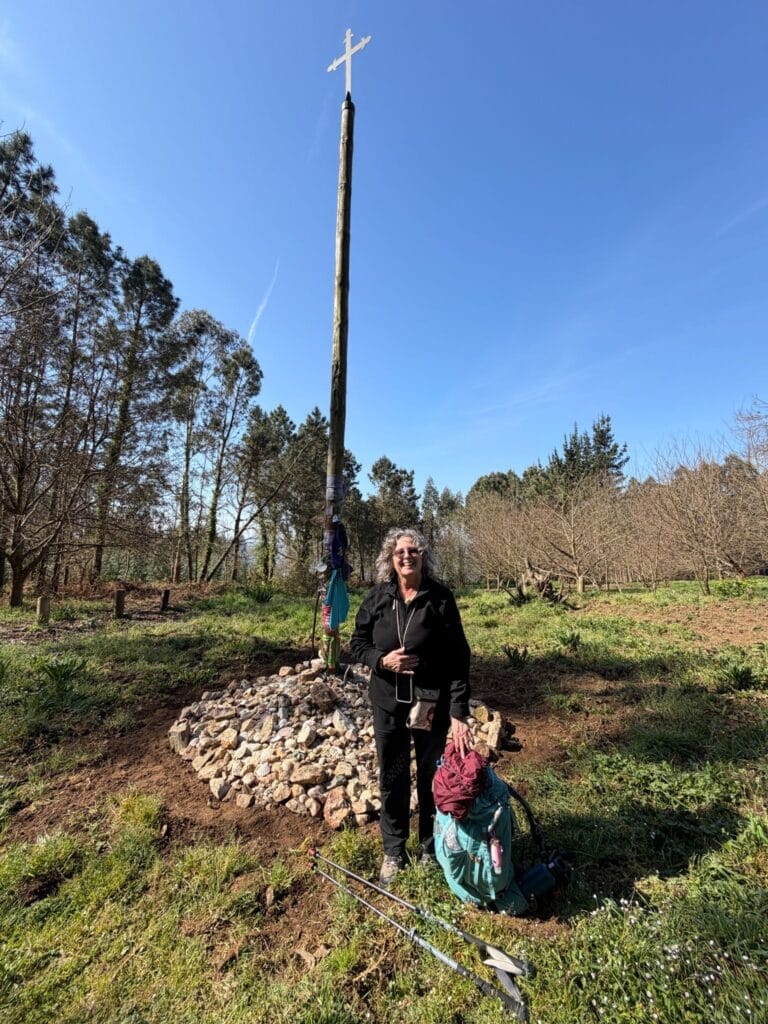
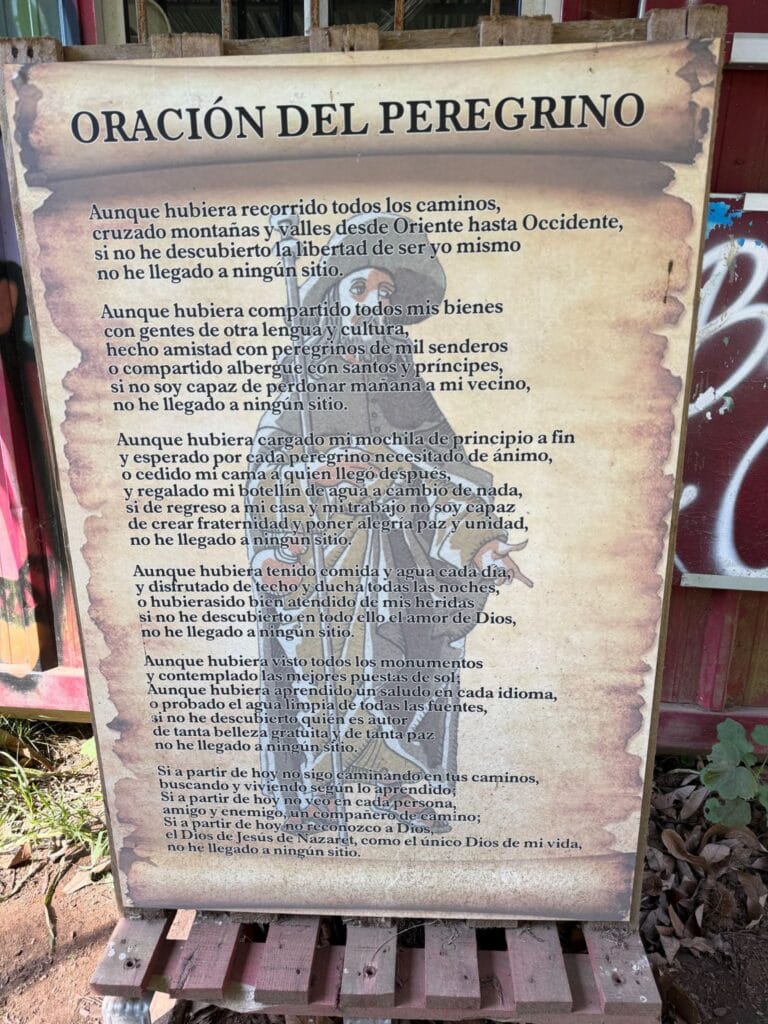
We shared meals, and thanks to her being Spanish, I got to try a really delicious omelette. She also invited me to Mass, which I attended.
The Mass was in Spanish, but my AI notetaker translated it into English for me. The key theme that night was love. From a Buddhist perspective, I found myself hearing it through the lens of loving-kindness, or metta. While our encounter was brief, I really cherished it. It enriched my understanding and broadened my perspective in a way that would not have been possible otherwise. It reminded me of the importance of humility, of loving-kindness towards oneself and others, and of remaining open.
That openness also brought home something else: compassion and community.
Both received and practised. Pilgrimage often softens people. On the Camino, there is really nowhere to be and nothing much to do except walk, rest, eat, and be present. In that kind of stripped-back environment, compassion becomes less abstract. You realise that everyone is carrying something, whether visible or invisible.
One of the truths the Camino impressed upon me was the importance of a good attitude.
Not forced positivity, but about how you hold yourself when things get hard. The terrain, weather, soreness, and inconvenience remain what they are, but the attitude with which you meet them changes the quality of the experience.
I found that when I was not inwardly grumbling at every difficulty, the journey became much better. Not easier, necessarily, but lighter. A good attitude helped me notice what discomfort might otherwise eclipse: the kindness of strangers, the beauty of the landscape, the privilege of being able to walk, the shelter at day’s end, even the comfort of a simple warm meal.
The journey became richer not because the conditions changed, but because my way of receiving them changed.
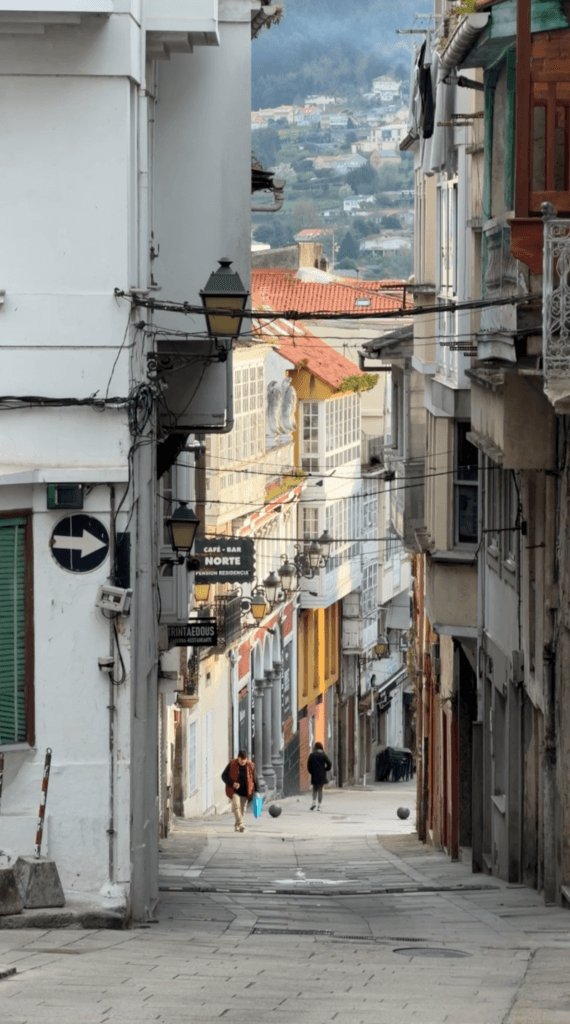
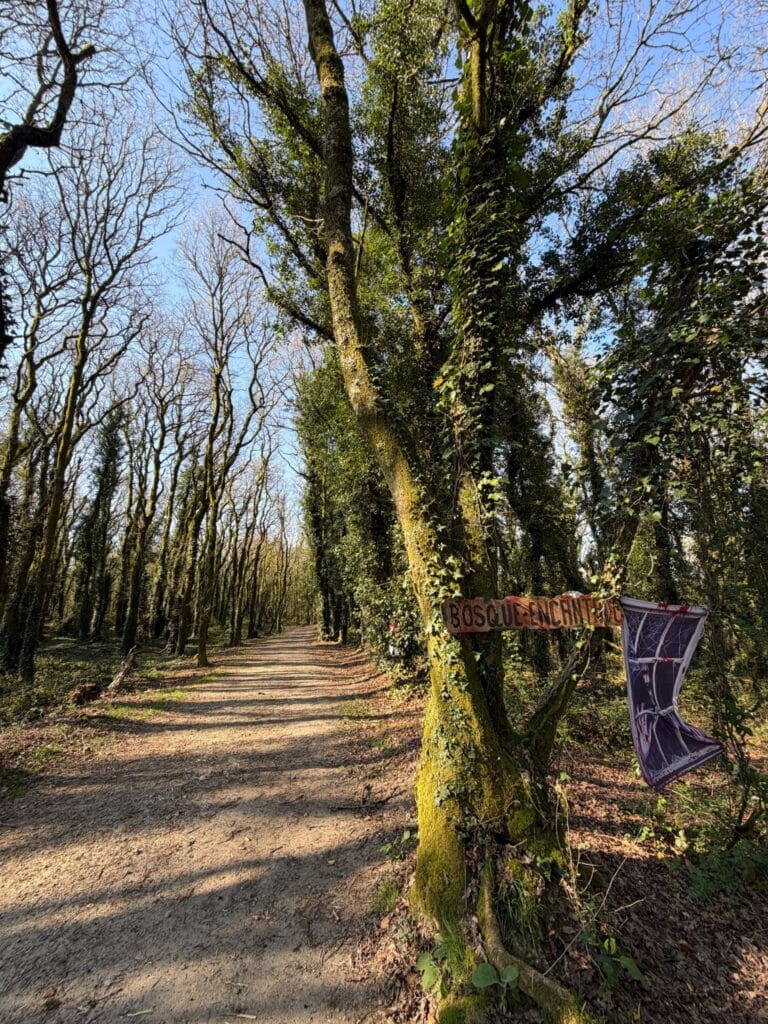
Another major lesson was the concept of letting go.
Before the Camino, I understood the “letting go” conceptually. Theoretically, it sounds simple enough: just let go. But it was only through the physicality of the Camino that I began to understand it more deeply.
On the Camino, all I had was a backpack with the essentials for the trip, and I could only carry so much. The more I held on, the heavier the load became and the harder the walk felt. To walk more freely, I had to be honest about what I really needed and what I could leave behind.
There is also a practice on the Camino of carrying stones, symbols of emotions, memories, grief, burdens, or things one is holding on to, and leaving them behind along the way, when one is ready. I carried three rocks with me. The first time I let go of one, I felt lighter emotionally.
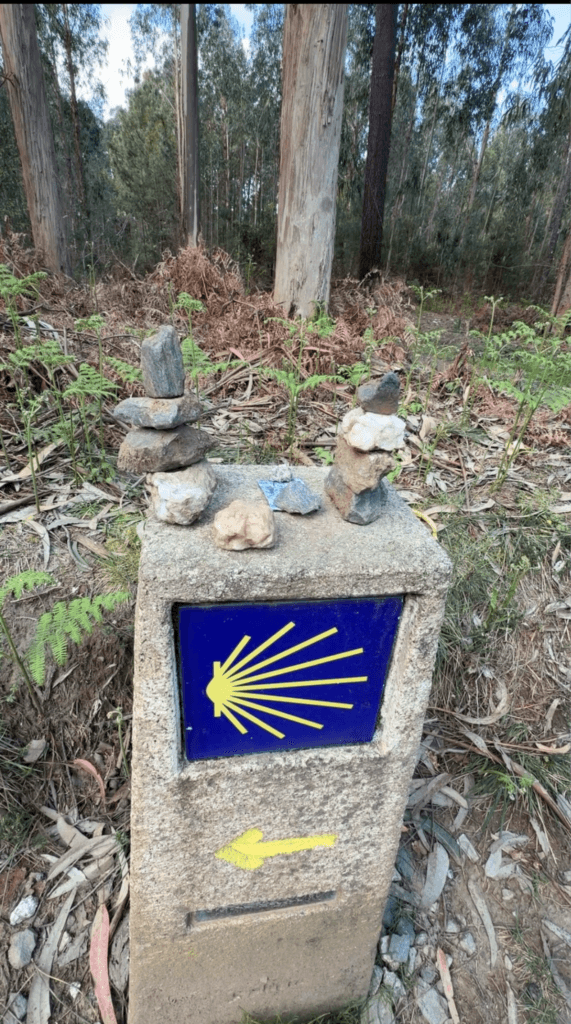
Through both these experiences, I think I finally understood something of what the Buddha meant by letting go.
It brought to mind the analogy of holding a cup: hold it for a moment, and it feels manageable; hold it for too long, and your arm begins to ache.
The Camino made me live that lesson physically. It was no longer just an idea. I could feel it in my body.
And it was not only possessions that were stripped back. The Camino also revealed how the body strips away illusion. Hunger, soreness, heat, sleep, and thirst make you honest. The body does not care very much for ego. It brings you back to what is real, immediate, and sufficient.
Then there is impermanence.
Every day on the Camino changes: the weather, your body condition, who you meet, where you sleep, what hurts, what lifts. Discomfort passes, but so does beauty. A good meal, a kind conversation, a beautiful stretch of open landscape, blisters, fatigue, loneliness, all of it moves. Nothing stays. The Camino made that truth feel less philosophical and more lived.
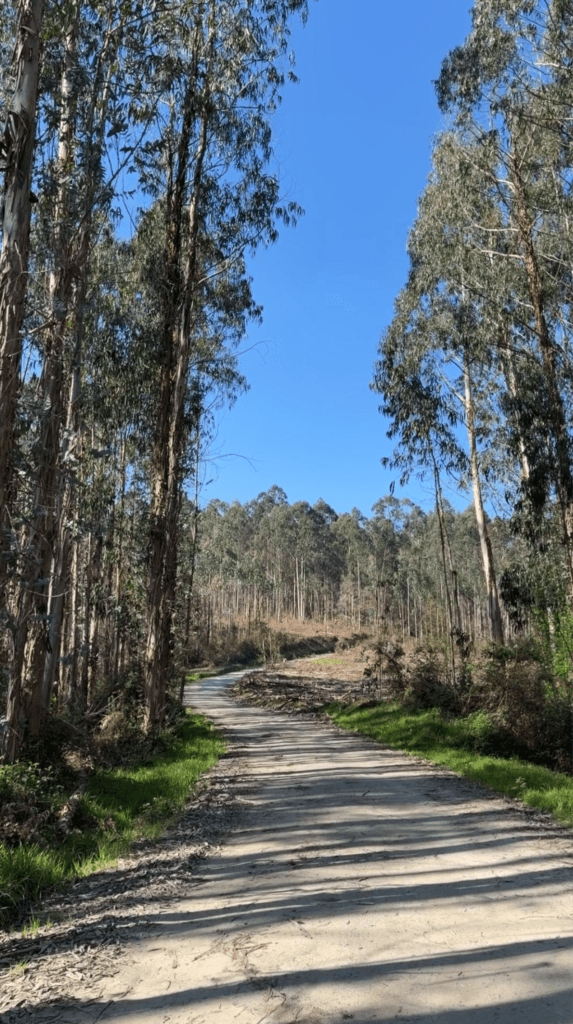
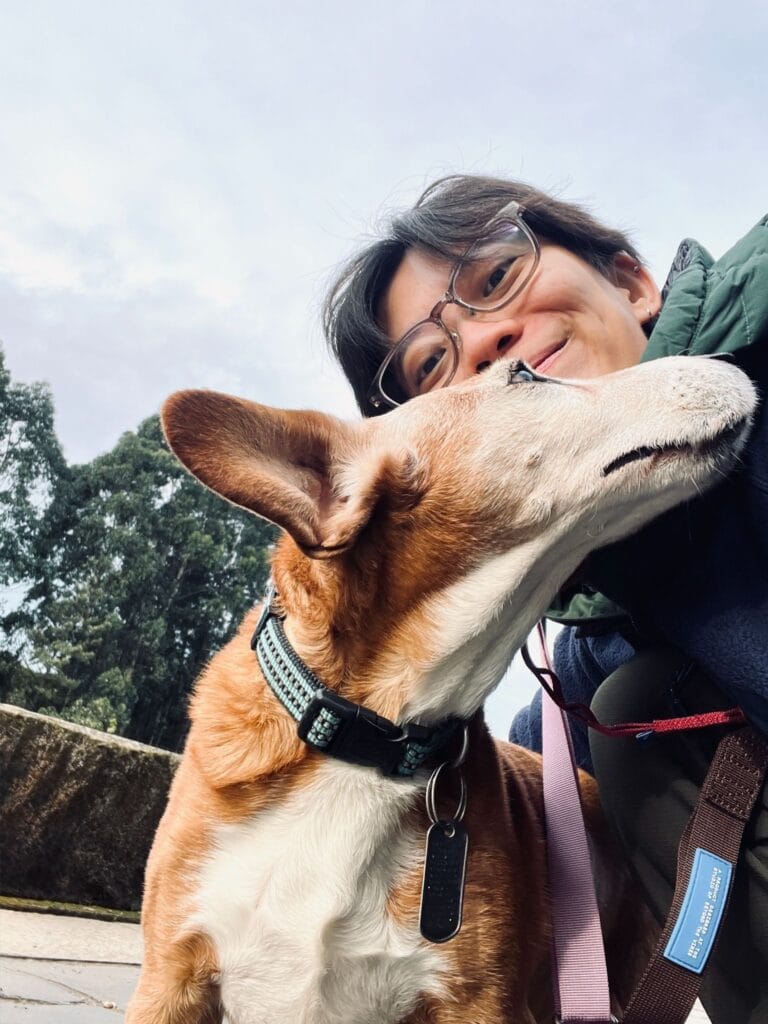
And then there was the journey itself.
I would not call myself fit, and to be very honest, before the Camino, I was not entirely sure if I could do it. I had never done anything like this before, and there was anxiety around that. But I told myself that if I was not especially talented or naturally strong, perhaps what I could do was start the day earlier than others. So I did. On some days, I started walking at 5 am.
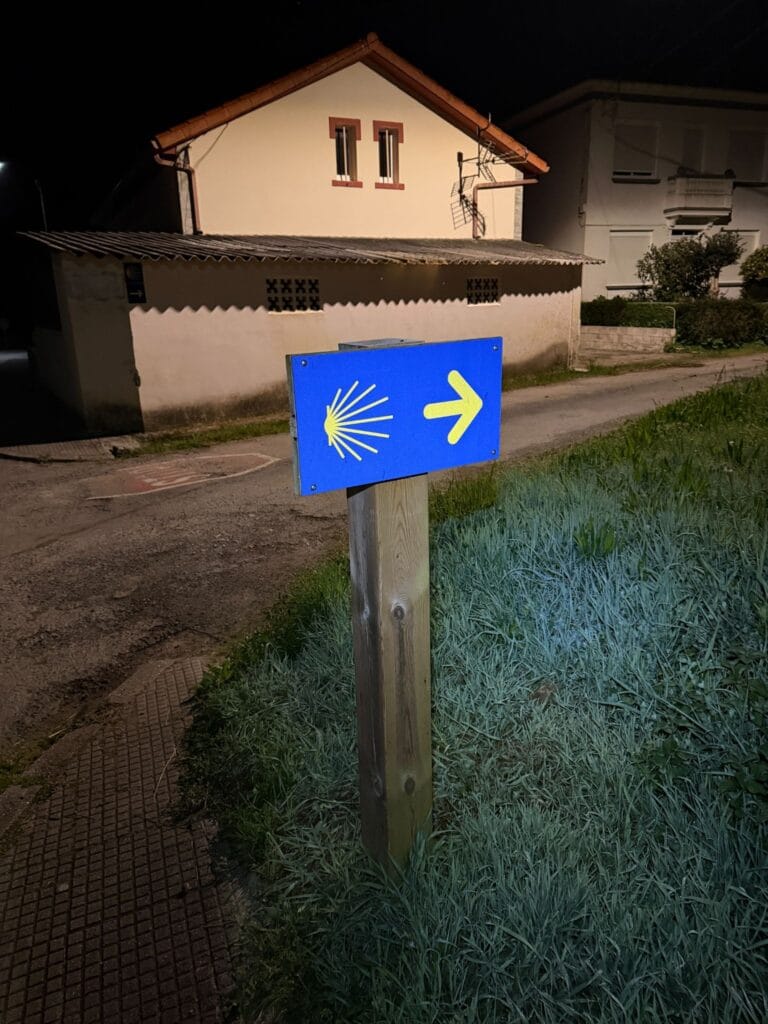
Perhaps because I was a slower walker, I took more time to look around. I took photos and reels. I listened to my body. If I needed a break, I took one. And I do not think I have ever been so present. Perhaps that was because, for once, the only thing I needed to do was to walk. In some ways, it felt like walking meditation on steroids, unless, of course, one normally does 25 kilometres of walking meditation a day.
When I finally reached Santiago de Compostela, I found myself tearing up. I was really proud of myself, and it also made me realise that it was never about the end-goal or destination.
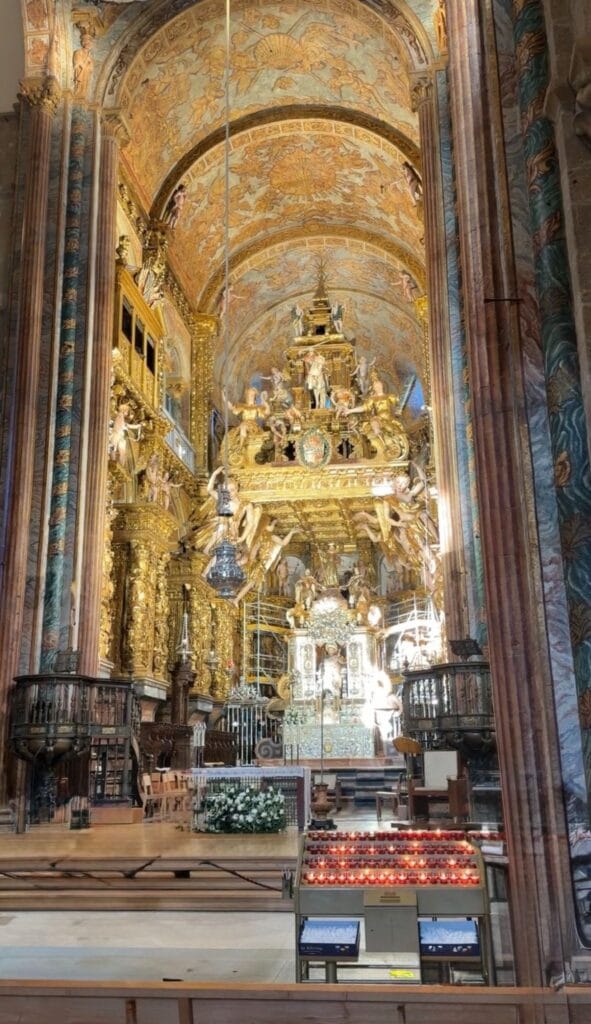
There were many things I experienced on the Camino that felt so profound they cannot be fully articulated in an article. Some things are simply carried home quietly. Has it changed me? I believe it has.
And as a Buddhist, I am deeply grateful to have walked this ancient pilgrimage path.
Wise Steps
- Walk with presence, and not focus on the destination: Treat daily activities like walking meditation by slowing down, noticing your body, surroundings, and breath, allowing ordinary moments to become part of your practice. Enjoy the journey!
- Lighten your load, inwardly and outwardly: Regularly reflect on what you’re holding onto, and gently release what is no longer needed to move through life with greater ease.
- Choose your attitude consciously: When discomfort arises, shift from resistance to acceptance, noticing how a steady, open attitude can transform even difficult experiences into meaningful ones.