
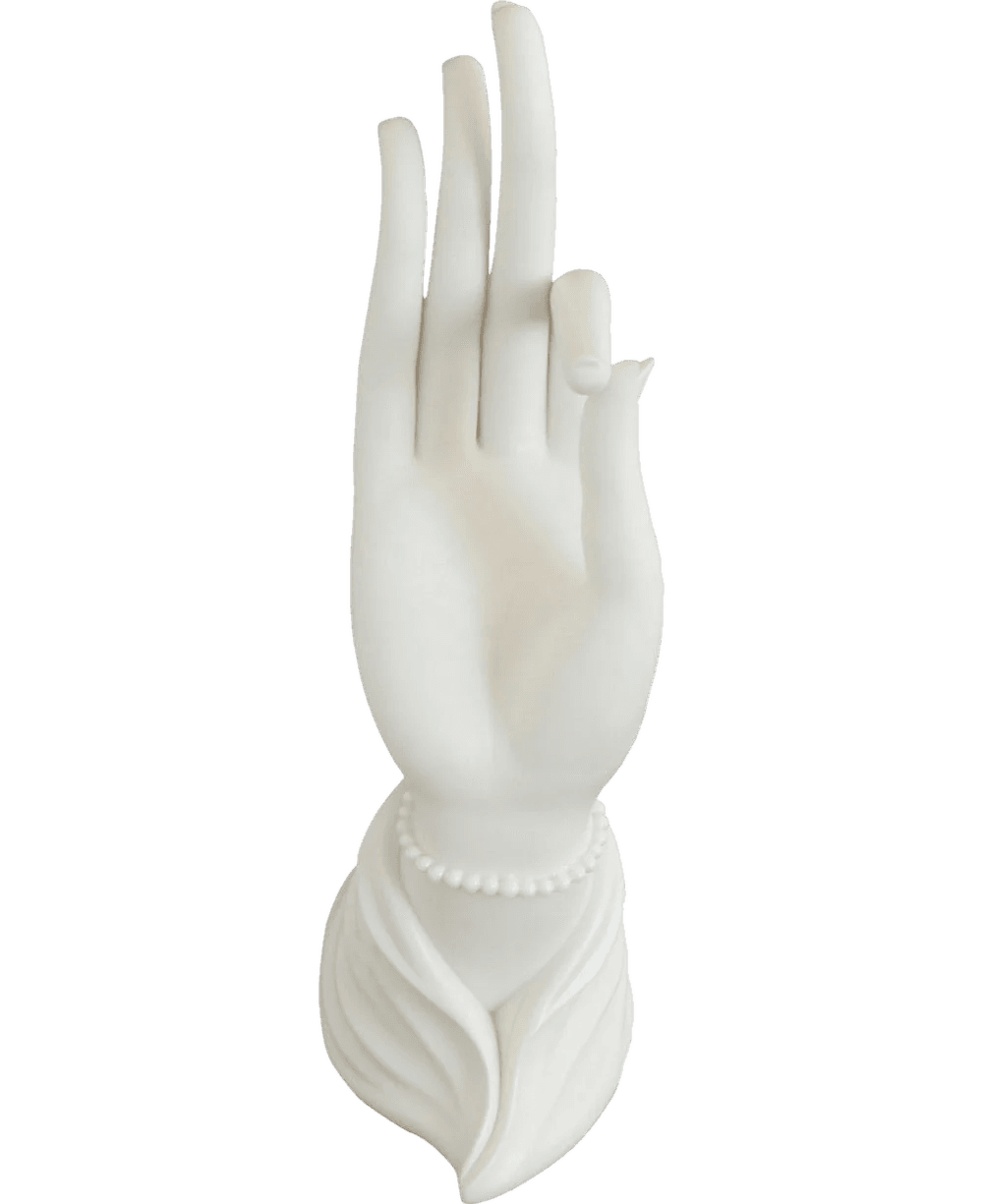
Understanding Your
Guan Yin Lot
For centuries, people have knelt before Guan Yin Bodhisattva, shaken a bamboo cylinder, and drawn a numbered lot.
The verses are a starting point for reflection and nudge us to consider our blind spots in decisions.
Please enter a number between 1 and 100.
Guan Yin lots (觀音靈籤) are a devotional practice from the Chinese Mahayana tradition. What you do with the verse is your decision. The lots only nudge you to consider blind spots. All beings are owners of their Kamma and heir to their kamma.
P.S. The lots may say get married this week but won't be responsible for a bad marriage.
Guan Yin lots belong to an older Chinese custom called qiuqian (求簽), known as kau cim in Cantonese. A person draws a numbered bamboo stick from a cylinder after asking a question at a temple altar. Similar practices are recorded as early as the Jin dynasty, in the third to fifth centuries CE, in divination texts such as the Jade Box Records. By the Song dynasty, from 960 to 1279, the custom was common among scholars and ordinary people alike.
Guanyin is the Chinese form of the bodhisattva Avalokiteshvara, whose worship came to China from India along the Silk Road. She is one of several deities with her own dedicated set of 100 lots, alongside figures such as Guan Gong, Mazu and Wong Tai Sin. Both Buddhist and Taoist temples use her lots, and they remain some of the most consulted in Chinese communities in Hong Kong, Taiwan, Singapore, Malaysia and beyond.
At the temple, a person kneels, states a question, and shakes the cylinder until one stick falls out. They then throw a pair of crescent-shaped blocks, called jiaobei, to confirm it is the right lot. This page uses the same set of verses, without the incense or the blocks. The Buddha's advice in the Kalama Sutta still applies: test any guidance against your own reflection, rather than accepting it as fixed fate.
Frequently asked questions
In the Brahmajala Sutta, the Buddha lists palm reading, casting lots, and reading omens among the base arts a virtuous renunciant avoids, and calls them wrong livelihood.
The reason given is kamma. All beings are owners of their Kamma and heir to their kamma, so a result traces to what a person did, not to a mark on a shell or a stick pulled from a cylinder.
The Kalama Sutta gives the method for everything else: test a claim against your own experience instead of accepting it because a text or a teacher said so.
Read that way, a lot is a prompt. It interrupts a thought that has been circling for days and gives it a new angle. What happens next is still up to you.
No. A lot describes your situation as it stands now, not a fixed outcome. Draw again once your circumstances have actually changed, not because the first answer wasn't what you hoped for.
Temple practice draws once per question, then confirms the lot with a pair of jiaobei blocks. Redrawing until the fortune sounds better defeats the point of asking. Draw once, sit with what you get, and come back another day for a different question.
Use the "Draw a lot online" button above. It picks a number at random, the same way shaking a bamboo cylinder does. If you already have a number from a physical temple visit, enter it directly instead.
Browse all 100 Guan Yin lot meanings
Don't know your lot number, or want to compare a few? Every lot's full write-up, one tap away.