
EYES HALF SHUT: Why are the Buddha’s Eyes Always Half-Open?
Why are the Buddha’s eyes half-closed? Learn how Buddhist art, meditation practice, and compassion meet in the Buddha’s calm gaze.
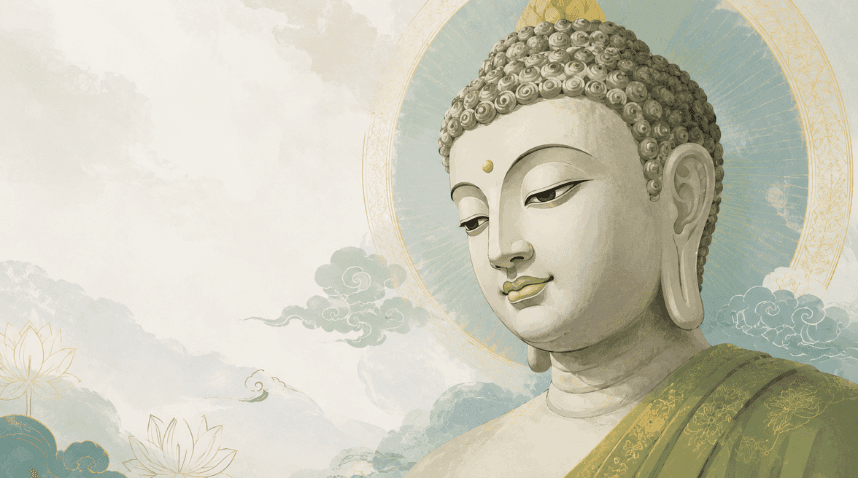
Why are the Buddha’s eyes half-closed? Learn how Buddhist art, meditation practice, and compassion meet in the Buddha’s calm gaze.
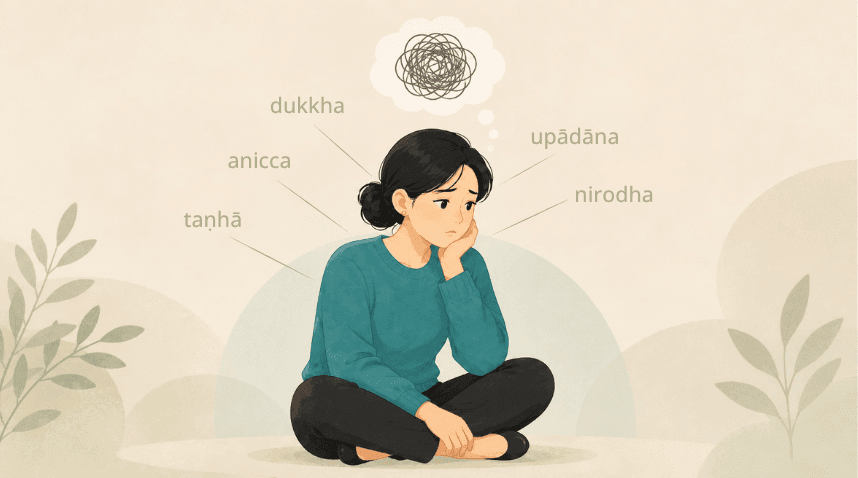
Pāli words like dukkha, anicca, taṇhā, upādāna, and nirodha offer a deeper way of understanding suffering beyond simply “feeling bad”. Rather than treating pain as personal failure, these teachings help us recognise craving, change, and clinging as ordinary parts of human experience.
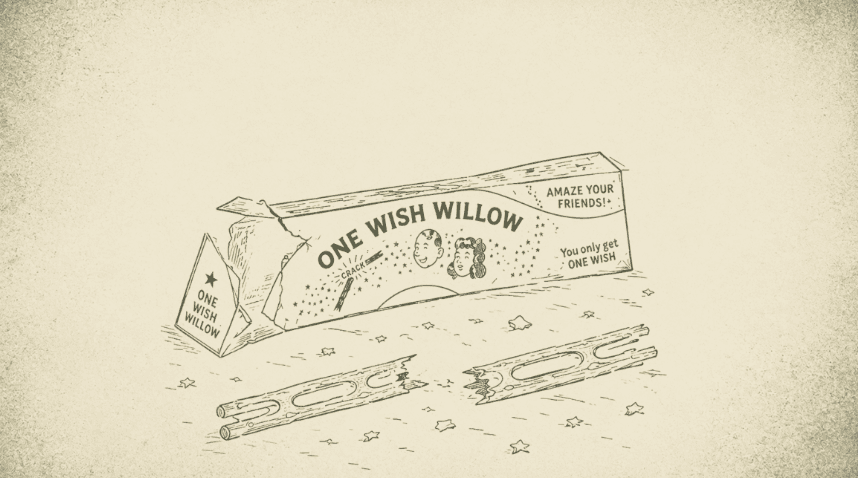
Obsession turns a familiar romantic fantasy into horror: what if the person you want finally chooses you completely? Through Bear’s wish, the film shows how craving can turn love into possession.

Ajahn Yiu's teachings reflect on why Right Speech is often harder to practise than silence, revealing how our words are deeply tied to thought, habits, and mindfulness. More than social etiquette, truthful and mindful speech becomes a foundation for inner clarity, self-honesty, and genuine Dhamma practice.

Reflections from ACRD 2025 show how Ajahn Chah’s simple metaphors guide us from intellectual understanding to lived practice. Through patience, letting go, and steady effort, his teachings continue to inspire mindful engagement in daily life.
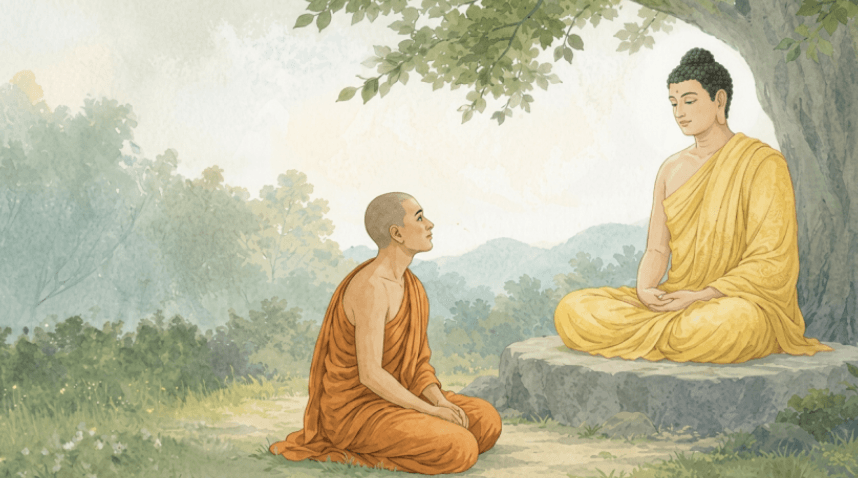
Vakkali wanted to look at the Buddha and could not stop. The Buddhist tradition answers that longing in two very different ways.