

Anger is something we all feel from time to time. Maybe a colleague says something hurtful, someone cuts you off in traffic, or your child just won’t listen. Before you know it, you’re boiling over. But here’s the thing: The Dhamma offers practical, down-to-earth guidance to help us transform anger into something positive.
Let’s break it down step by step, with clear, relatable examples:
Step 1: Acknowledge your anger (no guilt, just honesty)
First off, the Dhamma teaches us not to suppress anger. Instead, we’re encouraged to recognise it clearly when it arises. Check out MN20 sutta which shares 5 ways to remove distracting thoughts which can also be applied to an angry mind.
Say you’re at work, and a project you’ve poured hours into gets criticised unfairly. That hot, tight feeling starts rising. Take a moment to simply acknowledge it: “I’m feeling angry.” No judgment needed, just be honest with yourself.
Step 2: Pause and breathe mindfully
Here’s the real magic: pausing. Instead of reacting immediately (perhaps by firing off an email you’ll regret later), wise Dhamma teachers advise us to pause and breathe mindfully.
Imagine taking a step back mentally. Count slowly to five, breathing deeply, feeling the air fill your lungs and then gently leaving your body. This simple pause creates space between your anger and your actions.
Step 3: Reflect wisely on the root cause

Once calm, take a moment to reflect. Notice that anger usually comes from unmet expectations or attachments. We want things to be a certain way. Our way. No other way. See that? The gap between reality and our expectations is the valley of suffering.
For instance, you might expect your child to behave perfectly at the temple, but they start fidgeting loudly during meditation. Instead of snapping, consider why you’re really angry: perhaps it’s embarrassment or disappointment. Identifying the real source makes the emotion easier to manage.
Step 4: Cultivate compassion (even when it’s tough)
Compassion is at the heart of the Dhamma. It is one of the Brahmaviharas that the Buddha expounded upon as a worthy place to reside the mind.
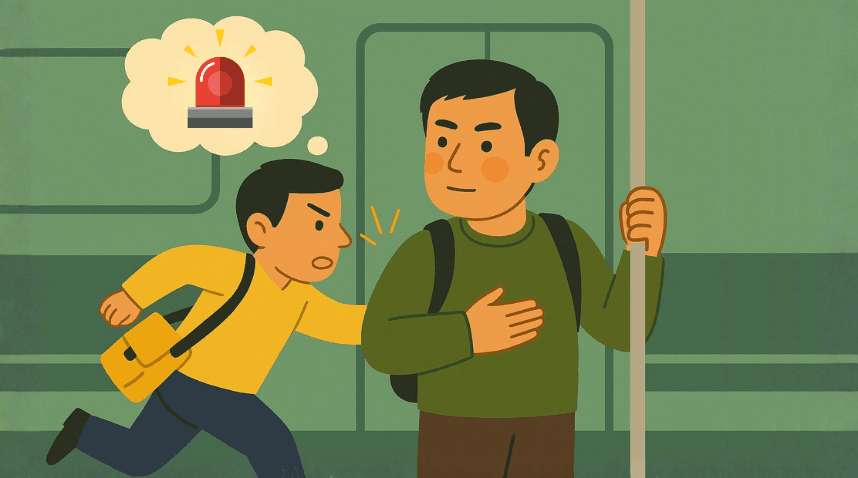
The idea is simple: see beyond the behaviour to the person behind it. Let’s say someone bumps into you roughly on the MRT without apologising.
Before getting angry, think about it differently, maybe they’re rushing home to an emergency, or had an exhausting day. This shift in perspective helps defuse anger before it takes root.
Step 5: Practise letting go regularly
Buddhism reminds us that anger only harms the one who holds onto it. Imagine holding a hot coal with the intention of throwing it at someone else, you burn yourself first.
By practising letting go of anger, we free ourselves from suffering. Whether it’s through meditation, chanting, or quietly forgiving someone, releasing anger regularly becomes a powerful habit.
Practical tips for daily life:
- Short mindfulness breaks: Even just 2 minutes of breathing quietly at your desk or home can dramatically reduce anger.
- Metta meditation (loving-kindness): Regularly wishing others happiness, even those who’ve upset you, gradually melts resentment.
- Reflective journaling: Writing about your anger later when calm helps clarify triggers and responses.
Here’s the thing: Buddhist practices aren’t about becoming emotionless or never feeling anger. Rather, they’re about learning how to transform anger into wisdom and compassion, creating more harmony in your life and relationships.
Give it a try next time anger arises. You might just surprise yourself!